You Won't Believe What Sydney's Cultural Scene Hides Behind the Opera House
When most people think of Sydney, they picture the iconic Opera House or the Harbour Bridge. But beyond these postcard views lies a vibrant, beating heart of art, history, and local soul. I dove deep into the city’s cultural venues—from underground galleries to Aboriginal storytelling circles—and discovered a side of Sydney few travelers ever see. This isn’t just a city of skyline views; it’s a living canvas of creativity and heritage waiting to be explored. While the Opera House draws millions with its gleaming sails, the true depth of Sydney’s identity unfolds in quieter corners: in the rustle of eucalyptus leaves during an Indigenous heritage walk, in the vibrant murals of Surry Hills, and in the intimate glow of a small-theatre performance. This is a city that invites curiosity, rewards exploration, and reveals its soul through moments of connection, not just sightseeing.
The Iconic Surface: Sydney Opera House and Its Cultural Weight
The Sydney Opera House is more than an architectural marvel; it is a symbol of Australia’s artistic ambition and global cultural presence. Designed by Danish architect Jørn Utzon and completed in 1973, its unique sail-like shells have become synonymous with the city itself. Yet, to view it only as a visual icon is to miss its true purpose: it is first and foremost a living performing arts center. Hosting over 1,500 performances annually, the Opera House brings together opera, ballet, theatre, symphony, and contemporary music on a scale few venues in the world can match. Its multiple performance spaces, including the Concert Hall and the Joan Sutherland Theatre, are engineered for acoustic excellence, making every seat a portal to artistic immersion.
For visitors, timing can make all the difference in experiencing the Opera House beyond the tour. Attending a performance transforms the visit from passive observation to active participation in Sydney’s cultural rhythm. Whether it’s a full-scale production of Carmen or a modern dance interpretation of an Aboriginal legend, the programming reflects both international excellence and local storytelling. Midweek evenings and Sunday matinees often offer better availability and more affordable pricing, especially for last-minute bookings. For those not attending a show, the guided backstage tours provide a rare glimpse into the inner workings of the venue—costume workshops, rehearsal rooms, and even the organ in the Concert Hall, one of the largest mechanical-action pipe organs in the world.
To avoid the midday crowds, early morning visits offer not only shorter lines but also the best natural light for photography. The western steps provide a classic view of the sails against the harbor, while a walk along Circular Quay at sunrise captures the building in a soft, golden glow. For a unique perspective, consider a harbor cruise at twilight, when the Opera House is illuminated and reflects across the water like a glowing lantern. These moments remind us that the Opera House is not just a monument to be seen—it is a dynamic stage where culture continues to unfold.
Beyond the Postcard: The Royal Botanic Garden as a Cultural Landscape
Nestled beside the Opera House, the Royal Botanic Garden is often appreciated for its scenic beauty, but it holds a deeper cultural significance that many overlook. Spanning 30 hectares along Farm Cove, the garden is not merely a tranquil escape; it is a living archive of Australia’s natural and human history. For the Gadigal people of the Eora Nation, this land has long been a place of gathering, healing, and storytelling. Today, visitors can engage with this heritage through guided Aboriginal heritage walks led by Indigenous educators, who share knowledge about native plants, traditional uses, and the spiritual connection to Country.
These walks often begin at the Garden’s Calyx, a modern horticultural display space that blends science and art. As participants move through the landscape, they learn how plants like the wattle, banksia, and lilly pilly were used for food, medicine, and tools. The storytelling is interwoven with Dreamtime narratives, offering a holistic understanding of the environment that transcends Western botanical classification. Such experiences are especially meaningful for families, providing children with a respectful introduction to First Nations cultures through nature-based learning.
Beyond its educational value, the garden offers moments of quiet reflection with unparalleled views of the harbor. The Tarpeian Way, a stone pathway carved into the cliffside, leads to a vantage point where the Opera House and Harbour Bridge frame the skyline in perfect symmetry. This spot is particularly enchanting at sunset, when the sky shifts through hues of pink and orange, and the city lights begin to flicker on. Visitors can bring a light picnic—though alcohol is restricted—to enjoy in designated areas, turning an afternoon stroll into a cultural and sensory experience. By recognizing the Royal Botanic Garden as both a sanctuary of nature and a site of enduring cultural memory, travelers gain a more layered appreciation of Sydney’s identity.
Art Unframed: Street Culture in Newtown and Surry Hills
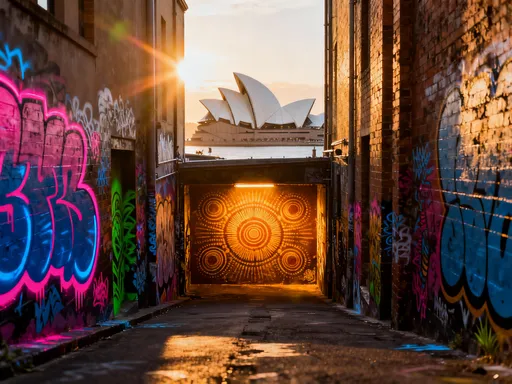
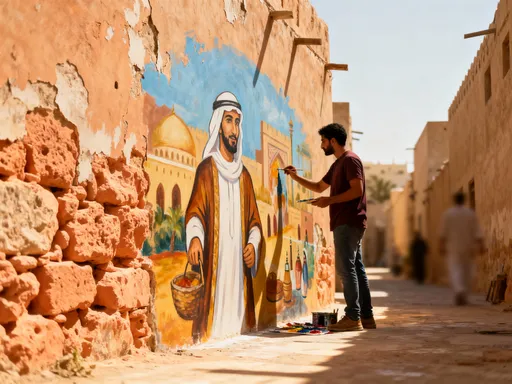
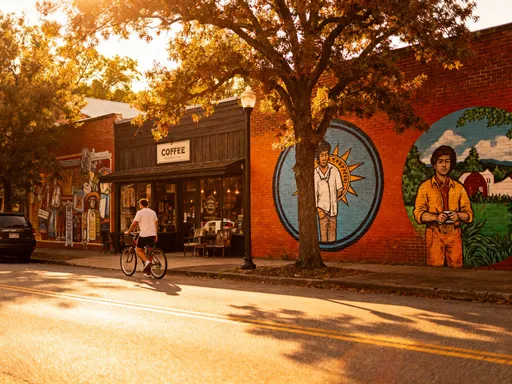
Step away from the harbor, and Sydney’s artistic pulse quickens in the inner-city neighborhoods of Newtown and Surry Hills. These districts are renowned for their street art, where alleyways and building facades serve as open-air galleries. Unlike graffiti born of vandalism, much of this work is commissioned or created with community support, reflecting social themes, political commentary, and local pride. Walking through side streets like King Street or Riley Street, one encounters murals of towering koalas, portraits of community elders, and abstract designs that pulse with color and movement. Each piece tells a story, often rooted in the area’s multicultural fabric and progressive spirit.
For a deeper dive into the local art scene, independent galleries offer curated experiences that complement the raw energy of street art. Firstdraft, a non-profit gallery in Woolloomooloo near Surry Hills, has supported emerging Australian artists since 1986, showcasing experimental works in painting, sculpture, and digital media. Similarly, the Brett Whiteley Studio in Surry Hills—once the home and workplace of the acclaimed Australian painter—preserves his legacy while hosting rotating exhibitions that explore the intersection of life and art. These spaces invite contemplation, offering a quieter counterpoint to the vibrancy of the streets.
The café culture in these neighborhoods further enriches the artistic atmosphere. Many coffee shops double as mini-galleries, with walls lined with for-sale artworks from local creators. Sitting at a sidewalk table with a flat white, one might find themselves surrounded by poetry readings, acoustic sets, or impromptu sketching sessions. Cafés like Campos or Single O not only serve high-quality brews but also foster a sense of creative community. This seamless blend of art, food, and conversation makes Newtown and Surry Hills ideal for travelers who seek authenticity over spectacle. Here, culture is not confined to institutions—it spills onto the sidewalks, into the cups, and into everyday life.
Museums That Tell Real Stories: The Powerhouse and Australian Museum
Sydney’s museums go beyond preserving artifacts—they invite visitors to engage with stories that shape the nation. Two institutions stand out for their distinct yet complementary missions: the Powerhouse Museum and the Australian Museum. Located in Ultimo, the Powerhouse celebrates human ingenuity through its vast collection of design, technology, and fashion. From vintage locomotives to space exploration equipment, its exhibits highlight innovation across centuries. Recent exhibitions have explored sustainable design, Indigenous engineering, and the evolution of digital media, making it especially engaging for families and curious minds of all ages.
In contrast, the Australian Museum in Darlinghurst, founded in 1827, is the country’s oldest museum and a leader in natural history and cultural education. Its focus on First Nations cultures is both respectful and comprehensive, featuring carefully curated displays of ceremonial objects, tools, and contemporary Indigenous art. The “Garrigal” and “Bayala” galleries offer immersive experiences, combining traditional storytelling with interactive technology to educate visitors about Aboriginal and Torres Strait Islander histories and worldviews. These exhibits are developed in collaboration with Indigenous communities, ensuring authenticity and cultural sensitivity.
Both museums prioritize accessibility and engagement. The Powerhouse features hands-on zones where children can experiment with robotics or design their own fashion sketches, while the Australian Museum offers augmented reality experiences that bring ancient creatures to life. For budget-conscious travelers, both institutions offer free entry on certain days or for specific exhibitions—checking their official websites in advance is recommended. Weekday mornings are typically less crowded, allowing for a more reflective visit. Whether exploring a 19th-century sewing machine or a 65-million-year-old dinosaur fossil, visitors leave with a deeper understanding of how history, science, and culture intersect in Australia’s national narrative.
Theatre Beyond the Main Stage: Independent Performances in Small Venues
While the Opera House commands the spotlight, Sydney’s independent theatre scene thrives in intimate venues that offer a different kind of magic. The Old Fitzroy Theatre in Woolloomooloo, affectionately known as “The Old Fitz,” is a prime example. Housed in a historic pub, this compact space seats fewer than 100 people, creating an immediacy between performers and audience that larger theatres cannot replicate. Productions here are often bold, experimental, and deeply human—ranging from reimagined Shakespeare to original works by emerging playwrights. The atmosphere is electric, not because of grand sets, but because of the raw emotion that fills the room.
Similarly, the Eternity Playhouse in Darlinghurst, named after the famous chalked messages of Arthur Stace, is a beautifully restored 19th-century church turned theatre. With its high ceilings and stained-glass ambiance, it provides a unique setting for contemporary drama and musicals. Companies like the Darlinghurst Theatre Co. use this space to nurture local talent, often casting actors who go on to national acclaim. Attending a performance here feels like being part of a creative community rather than a passive spectator.
Finding these shows is easier than many assume. Websites like Sydney Theatre Guide and local event listings regularly update independent theatre schedules. Tickets are often more affordable than mainstream productions, with some performances offering pay-what-you-can nights or rush tickets. For travelers, catching a small-theatre production adds a personal dimension to their visit—there’s a good chance they’ll meet the cast during post-show mingling or hear the director speak during a Q&A. These moments of connection reveal the heart of Sydney’s cultural life: not in grandeur, but in the courage to create, share, and connect in small, meaningful ways.
Cultural Fusion in Food: Dining as a Cultural Experience
In Sydney, food is more than sustenance—it is a narrative of migration, adaptation, and shared identity. The city’s culinary landscape mirrors its multicultural population, with flavors from China, Lebanon, Italy, Vietnam, Greece, and beyond shaping everyday meals. Markets like Paddy’s Markets in Haymarket offer a sensory journey through global cuisines, where the scent of sizzling dumplings, spiced lamb, and fresh herbs fills the air. While not a gourmet destination, Paddy’s provides an authentic snapshot of Sydney’s diverse food culture, especially during weekend mornings when locals queue for steaming buns or handmade pasta.
Chinatown and Little Italy, centered around Dixon Street and Norton Street respectively, deepen this experience. In these neighborhoods, dining becomes a form of cultural immersion. A simple meal of ramen or wood-fired pizza is accompanied by the sounds of multiple languages, the sight of family-run shops, and the rhythm of community life. Food tours led by local guides often include stories about the waves of migration that shaped these areas—how post-war Italians brought espresso culture, or how Vietnamese refugees introduced pho to Sydney’s streets.
Certain dishes have become emblematic of the city’s fusion identity. The Sydney-style sushi roll, for instance, often includes avocado and crab stick—a nod to both Japanese tradition and Australian tastes. Similarly, the Lebanese-influenced chicken kebab, served in flatbread with garlic sauce and pickles, is a staple at late-night eateries. While specific restaurants may come and go, the essence of Sydney’s food culture remains constant: it is inclusive, evolving, and deeply social. Sharing a meal in these neighborhoods is not just about taste—it’s about participating in a living tradition of welcome and exchange.
Finding the Local Pulse: Festivals, Markets, and Community Events
The rhythm of Sydney’s cultural life is most palpable during its annual festivals, when public spaces transform into stages of collective celebration. Vivid Sydney, held each winter, is one of the city’s most anticipated events. For three weeks, light installations illuminate buildings, bridges, and parks, turning the harbor into a canvas of color and motion. Alongside the lights, Vivid Ideas and Vivid Music programs host talks, workshops, and concerts, drawing creatives from around the world. The event attracts large crowds, so booking accommodations early and visiting on weekday evenings can enhance the experience.
Another highlight is Sculpture by the Sea, an open-air exhibition that stretches along the coastal walk from Bondi to Tamarama. Each year, over 100 sculptures by international and Australian artists are installed along the cliffs, blending art with the dramatic beauty of the ocean. The exhibition is free and accessible to all, encouraging families to spend a full day walking, picnicking, and discussing the works. The casual, democratic nature of the event reflects Sydney’s ethos: culture should be available to everyone, not confined to galleries or ticketed venues.
NAIDOC Week, celebrated nationwide in July, is a particularly meaningful time to visit. Dedicated to honoring Aboriginal and Torres Strait Islander cultures, it features community-led events including dance performances, art exhibitions, film screenings, and traditional ceremonies. In Sydney, these activities take place in parks, museums, and town halls, offering respectful opportunities to learn and participate. Events like the NAIDOC Parade in Redfern bring together Indigenous communities and allies in a vibrant display of pride and resilience. For travelers, attending even one NAIDOC event can profoundly deepen their understanding of Australia’s First Peoples and their ongoing contributions to national life.
Other recurring events, such as the Carriageworks Farmers Market and the Broadway Night Market, offer weekly glimpses into local culture. These markets feature artisanal foods, handmade crafts, and live music, creating spaces where residents and visitors mingle freely. They are ideal for picking up souvenirs with meaning—perhaps a jar of native bush honey or a ceramic piece from a local potter. By aligning their visit with these events, travelers move beyond the tourist trail and into the heartbeat of Sydney’s community life.
Sydney’s true magic isn’t just in its landmarks—it’s in the layers of culture woven into everyday life. By stepping beyond the obvious, travelers gain a richer, more meaningful connection to this dynamic city. Choosing culturally immersive experiences doesn’t just enhance a trip—it transforms it. From the whispered stories in a heritage walk to the bold strokes of a street mural, from the hush of a small-theatre performance to the joy of a shared meal in a multicultural market, Sydney reveals itself not as a postcard, but as a living, breathing story. And for those willing to listen, that story is both profound and welcoming.