This Is What No One Tells You About Crete’s Wild Side
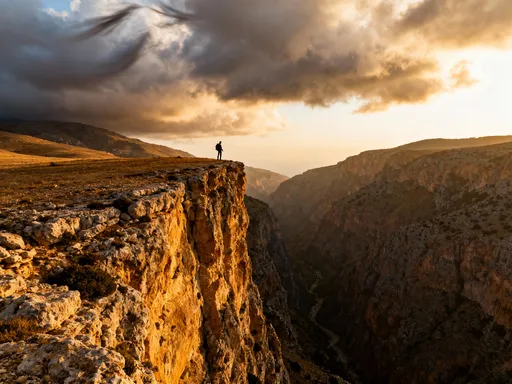
You know how everyone talks about Greece like it’s all white-washed churches and blue domes? Yeah, Crete’s got that too—but that’s not the real story. I went searching for something raw, untamed, and honest, and found myself hiking through canyons so deep they felt like secrets, standing on cliffs where the wind tells ancient tales. Crete’s natural landscape isn’t just beautiful—it’s alive. This is the side of the island most tourists miss, and honestly? It’s the one that stays with you.
Beyond the Postcards: Crete’s Untamed Heart
When most travelers think of Crete, they picture golden beaches lined with sun loungers, bustling harbors in Chania or Rethymno, and the sun-drenched ruins of Knossos whispering stories of Minotaurs and Minoan kings. These are valid images, and they belong to the island’s rich cultural tapestry. But they only tell half the story. Beneath the postcard-perfect façade lies a wilder, more elemental Crete—a land shaped by fire, water, and time. This is an island where mountain ranges pierce the clouds, where gorges cut through limestone like scars from ancient battles, and where the sea crashes against cliffs with a force that feels timeless.
The truth is, Crete’s identity is not just built on history or hospitality. It is rooted in its dramatic geography. Stretching over 260 kilometers from west to east, Crete is the largest of the Greek islands and the fifth largest in the Mediterranean. Its terrain is astonishingly diverse: the White Mountains (Lefka Ori) dominate the west, reaching elevations over 2,400 meters; the Dikti range rises in the east near Lasithi; and the Ida massif—home to Mount Psiloritis, the island’s highest peak—anchors the center. These ranges aren’t just scenic backdrops; they are living systems that influence weather, biodiversity, and even local traditions.
Between these mountains lie deep gorges, high plateaus, and hidden valleys where time seems to slow. To the south, the rugged coastline along the Libyan Sea remains largely untouched, accessible only by foot or boat. This is where the island reveals its true character—not in curated museum displays, but in the crunch of gravel under hiking boots, the scent of wild thyme in the air, and the sudden glimpse of a rare bird soaring above a cliff. Shifting focus from cultural landmarks to natural landscapes transforms a vacation into an experience. It invites travelers to engage with Crete not as spectators, but as participants in its ongoing story.
For women between 30 and 55—many of whom juggle family, work, and personal well-being—this kind of travel offers something profound: space to breathe, to reflect, and to reconnect with a sense of wonder often buried beneath daily responsibilities. Crete’s wild side doesn’t demand expertise or extreme fitness. It asks only for curiosity and a willingness to step off the paved path. And in return, it offers clarity, strength, and a deep sense of peace.
Samaria Gorge: More Than Just a Hike
No discussion of Crete’s natural wonders is complete without mentioning the Samaria Gorge. At 16 kilometers long, it holds the title of Europe’s longest gorge and draws thousands of hikers each year. But numbers alone don’t capture its essence. Walking through Samaria is like moving through layers of time. The trail begins at Xyloskalo, a plateau in the White Mountains, where cool air and pine trees signal a world apart from the coastal heat. As you descend, the walls of the canyon close in, rising hundreds of meters on either side, carved by water and seismic shifts over millions of years.
The terrain varies dramatically. The upper section features wide, gravel-strewn paths that gradually narrow into a steep, rocky corridor known as the “Iron Gates,” where the gorge squeezes to just a few meters across. Here, the silence is broken only by the echo of footsteps and the occasional cry of a bird. The air feels different—cooler, heavier, charged with a sense of awe. Along the way, hikers encounter plane trees older than nations, streams that invite barefoot wading, and, if lucky, sightings of the kri-kri, a rare wild goat endemic to Crete. This agile creature, with its curved horns and sure-footed grace, has become a symbol of the island’s resilience.
What many don’t realize is that the Samaria hike is as much emotional as physical. The journey takes five to seven hours, depending on pace, and requires moderate fitness. But beyond the physical challenge is a psychological shift. The isolation, the scale of the landscape, and the rhythm of walking create a meditative state. Thoughts slow. Worries loosen. By the time you reach Agia Roumeli on the southern coast, where the Libyan Sea sparkles ahead, there’s a quiet pride—not just in finishing, but in having witnessed something raw and real.
Practical considerations matter. The gorge is officially open from May to October, with peak season in July and August. Permits are required and best booked in advance through the National Park website. A shuttle bus runs from Chania to the trailhead, and a ferry connects Agia Roumeli back to other coastal towns. While crowds can be dense in high season, starting early in the morning ensures a more peaceful experience. Bring sturdy shoes, plenty of water, sun protection, and a light snack. And remember: this is a protected area. Littering, straying from the path, or disturbing wildlife is strictly prohibited.
Hidden Gorges and Secret Trails
If Samaria is Crete’s crown jewel, then Imbros Gorge is its quiet cousin—equally stunning but far less crowded. Located near the village of Agia, Imbros offers a shorter, more accessible alternative at just 7.5 kilometers long. What it lacks in length, it makes up for in intimacy. The walls of the gorge rise sharply, creating a natural corridor that funnels light in shifting patterns throughout the day. The path is narrow in places, with sections of carved steps and steel railings for safety, making it suitable for families and less experienced hikers.
What sets Imbros apart is its microclimate. While the coast swelters in summer heat, the gorge remains cool and shaded, a natural refuge. Wild herbs cling to the rocks, and birds nest in crevices above. Hikers often report a sense of calm here—an almost spiritual quiet that contrasts with the more dramatic energy of Samaria. The trail ends at the village of Komitades, where a local taverna serves fresh dakos, a traditional Cretan dish of barley rusk topped with tomato, feta, and olives. It’s the perfect reward after a gentle but meaningful journey.
For those seeking a middle ground between challenge and solitude, Agia Irini Gorge is an excellent choice. Located in the southwest, it stretches about 7.5 kilometers from Agia to Sougia and offers panoramic views of the surrounding mountains and coastline. The trail is well-marked and features stone steps, wooden bridges, and occasional water crossings. Unlike Samaria, which is largely a one-way descent, Agia Irini includes some elevation changes, making it slightly more demanding. But the views are unparalleled—sheer cliffs, terraced fields, and the deep blue of the Libyan Sea in the distance.
Other lesser-known trails include Kourtaliotiko Gorge near Plakias, where a natural stone bridge spans the path, and the Aradena Gorge, which ends at a dramatic suspension bridge built by a local farmer. These routes attract far fewer visitors, offering a chance to walk in near solitude. Choosing such paths isn’t just about avoiding crowds; it’s about deepening the connection with nature. Without the distraction of large groups, you notice more—the pattern of lichen on a rock, the sound of a stream, the way sunlight filters through leaves. These moments of presence are what make travel transformative.
Coastal Wonders: Cliffs, Caves, and Turquoise Coves
Crete’s coastline is as varied as its interior, and some of its most breathtaking landscapes lie along the southern shore. Here, the land meets the sea with drama—cliffs drop vertically into the water, sea caves form natural arches, and hidden coves offer swimming in crystal-clear turquoise. These areas are not always reachable by road, which is part of their charm. Access often requires a boat tour or a coastal hike, rewarding the effort with unmatched beauty.
One of the most iconic coastal routes is the path from Sougia to Agia Roumeli, a 13-kilometer trail that follows the southern edge of the island. It’s not a gorge, but a coastal trek that combines sea views, rocky terrain, and small villages tucked into the hills. Hikers pass through abandoned orchards, cross seasonal streams, and stop at remote tavernas for lunch. The journey ends at Agia Roumeli, the same village that marks the exit of Samaria Gorge, where a boat can take you back to Chora Sfakion or Paleochora.
For those who prefer to explore by water, boat tours from ports like Chora Sfakion, Sougia, or Paleochora offer access to sea caves and secluded beaches. The most famous of these is the Lissos area, where ancient ruins sit beside a small beach surrounded by cliffs. Another highlight is the cave of Agios Ioannis, where turquoise water glows under a natural rock ceiling. These tours are typically run by local captains in small boats, providing a personal and authentic experience. Some include swimming stops, snorkeling opportunities, and onboard snacks like fresh fruit and raki, a traditional Cretan spirit.
Beaches like Elafonissi and Loutro are worth mentioning not just for their beauty but for their ecological significance. Elafonissi, in the southwest, is known for its pinkish sand—caused by tiny crushed shells—and shallow, warm waters ideal for families. It is also a protected nature reserve, home to rare plants and nesting sea turtles. Loutro, accessible only by boat or footpath, has no roads, no cars, and a peaceful atmosphere that feels timeless. Both locations emphasize the importance of responsible tourism: visitors are encouraged to avoid littering, respect protected zones, and support local businesses that operate sustainably.
High Mountain Escapes: The White Mountains (Lefka Ori)
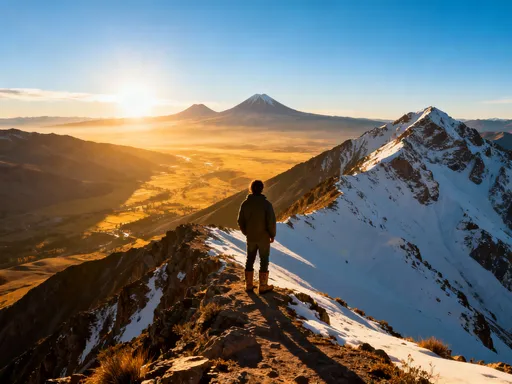
Rising like a fortress in western Crete, the White Mountains—known locally as Lefka Ori—are a world unto themselves. Their name comes from the snow that caps their peaks for much of the year, a rare sight in the Mediterranean. This range includes over 30 summits above 2,000 meters, with Pachnes reaching 2,453 meters, making it the second-highest peak in Crete. But the Lefka Ori are not just about altitude; they are a network of plateaus, gorges, and high-altitude trails that offer some of the most rewarding trekking in Greece.
The plateau of Omalos, where the Samaria Gorge begins, is a highland basin surrounded by peaks. In spring, it’s carpeted with wildflowers; in summer, it serves as a gateway for hikers. Nearby, the ghost village of Ano Meros sits abandoned but preserved, a reminder of a time when mountain communities thrived on transhumance—the seasonal movement of livestock. Today, the area is a haven for solitude and reflection. Multi-day hikes through the Lefka Ori allow travelers to experience this landscape in depth, camping under stars undimmed by light pollution or staying in mountain refuges maintained by the Hellenic Federation of Mountaineering and Climbing.
What makes these highlands special is their alpine character. Unlike the typical Mediterranean image of olive groves and coastal villages, the Lefka Ori feel more like the Alps or the Pyrenees. You’ll find snowmelt-fed springs, rugged trails, and wildlife like the kri-kri and golden eagle. But this environment demands respect. Weather can change rapidly—sunny mornings can turn into cold, foggy afternoons. Proper gear, navigation tools, and preparation are essential. Hikers are advised to check conditions with local authorities, carry maps, and never underestimate the terrain.
For women seeking a retreat that combines physical challenge with emotional renewal, the Lefka Ori offer a powerful setting. The act of walking through such a vast, silent landscape fosters mindfulness and resilience. It’s not about conquering the mountain, but about listening to it—learning from its stillness, its endurance, its quiet strength.
Sustainable Exploration: Respecting Fragile Ecosystems
As Crete’s natural attractions grow in popularity, the need for responsible travel becomes more urgent. The island’s ecosystems are resilient but not indestructible. The kri-kri goat, though protected, remains vulnerable. Native plants like the Cretan date palm and endemic orchids are sensitive to trampling and climate change. Coastal waters face pressure from boat traffic and plastic pollution. Every visitor has a role in preserving these treasures.
Practicing sustainable exploration starts with simple choices. Stay on marked trails to prevent erosion and protect plant life. Carry out all trash—better yet, bring a reusable water bottle and avoid single-use plastics. Avoid picking flowers, disturbing wildlife, or feeding animals. Use eco-friendly sunscreen when swimming, as chemical filters can harm marine ecosystems. Support local guides and family-run businesses that prioritize environmental stewardship. Many certified eco-tour operators now offer guided hikes, birdwatching tours, and educational walks that emphasize conservation.
Conservation efforts are already underway. The Samaria Gorge is part of the National Park of Samaria, established in 1962, one of the first protected areas in Greece. Local NGOs and community groups work to clean trails, restore habitats, and educate visitors. Travelers can contribute by participating in organized clean-up events, donating to environmental causes, or simply spreading awareness. The goal is not to restrict access, but to ensure that future generations can experience Crete’s wild side with the same awe we feel today.
Responsible travel is not about perfection. It’s about intention. It’s about recognizing that we are guests in a living landscape—one that has existed long before us and will continue long after. When we move through nature with care, we honor not only the place, but ourselves.
Why Landscape Shapes the Soul of Travel
In an age of fast travel and curated itineraries, Crete’s wild side offers something rare: depth. It invites us to slow down, to look closely, to feel the earth beneath our feet. This kind of travel doesn’t just show us a new place—it changes us. Studies in environmental psychology suggest that immersion in natural landscapes reduces stress, improves mood, and enhances cognitive function. But beyond science, there is a deeper truth: nature speaks to the soul.
For many women in midlife, this connection is especially meaningful. After years of caring for others, of managing homes and careers, being in wild places offers a chance to reconnect with oneself. There is power in standing on a cliff and feeling the wind on your face, in walking for hours without checking a phone, in watching a sunset over the sea with no one to answer to. These moments are not escapes—they are homecomings.
Crete’s landscapes do more than impress; they inspire. They remind us of our place in a larger story, of the beauty and fragility of the natural world. They teach patience, humility, and wonder. And they leave behind memories that don’t fade—images of light on stone, the sound of water in a gorge, the silence of a mountain at dawn.
So if you’re planning a trip to Greece, look beyond the postcards. Seek out the raw, the untamed, the real. Let Crete’s wild side guide you not just to new places, but to new parts of yourself. Because the most meaningful journeys aren’t measured in miles, but in moments that stay with you long after you’ve returned home.