You Won’t Believe These Hidden Hiking Gems Outside Caracas
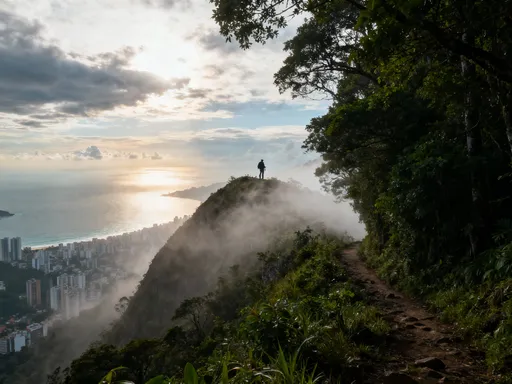
When I first thought of Caracas, I pictured chaos, traffic, and city noise—hiking was the last thing on my mind. But just beyond the urban sprawl lies a wild, green escape that few travelers ever see. The Avila Mountain range rises like a giant wall between the city and the coast, hiding trails that lead through misty cloud forests, rocky ridges, and views that stretch all the way to the Caribbean. This is not your average city hike—it’s a full-on nature immersion. I went expecting dust and noise; I found waterfalls, hummingbirds, and silence so deep it made me pause. If you're looking for untouched natural landscapes where locals still outnumber tourists, this is it.
Why Caracas Is More Than a City
Caracas has long been misunderstood. Often portrayed in international media through the lens of political tension and urban challenges, the city is frequently reduced to a cautionary tale. Yet beneath this surface narrative lies a truth known well to its residents: Caracas is cradled by one of the most dramatic natural backdrops in South America. Just minutes from downtown, the towering massif of El Ávila National Park looms large, offering an immediate escape into biodiversity and tranquility. This proximity between metropolis and mountain is rare among world capitals, placing Caracas in a unique category where nature isn’t something you fly across continents to reach—it begins at your doorstep.
Established in 1958, El Ávila National Park spans over 83,000 hectares and forms part of the Central Coastal Range. Its elevation climbs from around 900 meters at the base to more than 2,700 meters at Pico Naiguatá, the highest point. This dramatic vertical rise creates distinct ecological zones within a short distance, transforming the landscape as hikers ascend. At lower elevations, tropical dry forests give way to moist evergreen forests, then transition into cloud forests shrouded in mist, and finally alpine grasslands near the summit. Each zone supports different plant and animal life, making the park a living laboratory of environmental adaptation.
For locals, El Ávila is more than just a park—it’s a sanctuary. Known affectionately as “La Avila” by residents, it serves as Caracas’ green lung, filtering air, regulating temperature, and providing a psychological refuge from urban stress. Families gather on weekends for picnics, school groups hike educational trails, and fitness enthusiasts tackle steep paths for training. The contrast between the city’s intensity and the mountain’s serenity is not just noticeable—it’s palpable. One moment you’re navigating chaotic traffic; the next, you’re walking beneath canopy trees with only bird calls breaking the silence. This duality defines the Caracas experience for those willing to look beyond headlines.
El Ávila: The Hiker’s Hidden Playground
Officially named Waraira Repano by indigenous Pemón people, El Ávila National Park is a hiker’s dream cloaked in relative obscurity. While tourists flock to destinations like Torres del Paine or Machu Picchu, this Venezuelan treasure remains largely under the global radar, visited primarily by locals and a handful of adventurous travelers. That lack of international attention has preserved its authenticity—trails are minimally developed, signage is sparse in places, and commercialization is low. What you gain instead is raw, unfiltered access to nature.
The park offers a network of trails ranging from well-trodden paths to rugged, less-traveled routes. The most famous, Camino de los Españoles, dates back to colonial times when Spanish soldiers used it to move between the coast and the capital. Today, it serves as a popular moderate hike, winding through pine forests and rocky outcrops with frequent viewpoints. Though busy on weekends, it retains a sense of history and grandeur, especially in the early morning when fog clings to the trees like ghostly veils.
For those seeking solitude, trails like La Mucuchachense or El Saladillo provide quieter alternatives. These routes are less maintained but reward hikers with greater immersion. La Mucuchachense, named after the town of Mucuchíes in the Andes, follows a high-altitude ridge line with sweeping exposure and views that stretch across valleys and distant peaks. El Saladillo, meanwhile, begins at a small entrance near Los Samanes and leads into dense forest where sunlight filters through in golden shafts. Birdwatchers may spot the Venezuelan troupial—the national bird—its bright orange and black plumage flashing between branches. Other endemic species include the white-fronted sparrow and the elusive Andean spectacled bear, though sightings are rare and require patience and quiet movement.
What sets El Ávila apart is not just biodiversity but microclimate diversity. Within a single hike, you might begin in warm, dry conditions and end in cool, damp air thick with moisture. Cloud forests here are home to epiphytes—air plants that grow on trees—including bromeliads and orchids whose delicate blooms appear after rainfall. Moss-covered trunks and fern-laden slopes create a scene more reminiscent of fantasy films than reality. Yet this is real, and it’s accessible.
Top Trails for Every Hiker
One of the greatest strengths of El Ávila is its trail variety. Whether you’re a beginner looking for a gentle nature walk or an experienced mountaineer seeking a full-day challenge, there’s a path suited to your ability. The key is matching your fitness level and time availability with the right route. With proper planning, every hiker can find a rewarding experience.
For beginners or families with children, Quebrada María Antonia is an ideal introduction. This short trail—less than three kilometers round trip—starts near the park’s eastern access points and follows a clear stream upward. Along the way, hikers pass small cascades where locals sometimes swim on hot days. The path is mostly flat with occasional rocky steps, making it manageable for most fitness levels. Shade from native trees keeps temperatures comfortable, and benches at intervals invite rest and reflection. It’s a peaceful hike that emphasizes sensory connection: the sound of running water, the smell of damp earth, the sight of dragonflies hovering above pools.
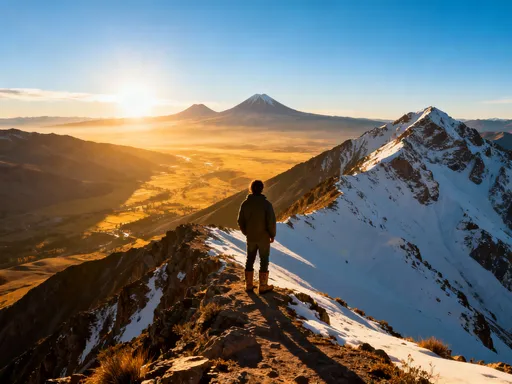
Intermediate hikers will appreciate the trail to Cerro El Volcán. Despite its name, there is no actual volcano—rather, the peak earned its title due to its conical shape and prominence in the skyline. Reaching the summit requires about four to five hours of steady climbing, depending on pace. The trail begins in the El Junquito sector and ascends through mixed forest and open scrubland. As elevation increases, vegetation thins, revealing panoramic views of Caracas below and the coastline beyond. On clear days, the island of La Guaira is visible across the bay. The summit offers a 360-degree vista, often shared with paragliders launching from nearby cliffs. Many choose to camp overnight, bringing warm layers to withstand the drop in temperature after sunset.
For advanced hikers, the ascent to Pico Naiguatá represents the ultimate goal. At 2,765 meters, it is the highest peak in the range and demands physical endurance and mental resilience. The full hike can take eight to ten hours, typically completed as a dawn-to-dusk expedition. Most start from the La Guaira side, following a steep, switchback-heavy route that tests leg strength and lung capacity. The final approach involves scrambling over granite boulders, requiring careful footing. But the reward is unmatched: standing atop Venezuela’s coastal high point, with the Atlantic Ocean glittering to the north and the city lights flickering to the south. Hikers often describe a profound sense of accomplishment, not just for conquering the peak, but for witnessing such untouched beauty so close to a major urban center.
What to Expect on the Trail
Hiking in El Ávila is as much a sensory journey as a physical one. From the moment you enter the park, the atmosphere shifts. City sounds fade, replaced by the rustle of leaves, the distant call of howler monkeys, and the occasional whistle of a hawk circling overhead. Morning fog often rolls in thick, obscuring trails and creating an almost mystical ambiance. As the sun climbs, beams break through, illuminating spiderwebs strung between branches like silver lace.
Weather changes rapidly, a hallmark of mountain environments. A warm start can turn chilly within an hour, especially at higher elevations where wind picks up and clouds form quickly. Rain showers are common, even during the dry season, so waterproof gear is essential. Trail conditions vary—some paths are well-maintained with stone steps and handrails, while others are narrow, uneven, and slippery after rain. Proper hiking boots with good grip are strongly recommended, particularly on descents where loose gravel can make footing treacherous.
One of the most surprising aspects is the silence. Despite being so close to a city of millions, many trails feel remote and undisturbed. You may go stretches without seeing another person, hearing only your own breath and footsteps. This solitude fosters introspection and a deep connection with nature. Some hikers report feeling a spiritual presence in the forest, a quiet energy that lingers long after the hike ends.
Wildlife encounters, while not guaranteed, add to the sense of adventure. In addition to birds and insects, you might spot agoutis—small, rabbit-like rodents—darting through underbrush, or coatis, members of the raccoon family, foraging near streams. Reptiles like lizards bask on sun-warmed rocks, and butterflies flit among wildflowers. Plants tell their own story: giant tree ferns stand like prehistoric sentinels, while mosses and lichens coat every surface in velvety green. Every detail contributes to an ecosystem that feels both fragile and resilient.
Safety and Smart Planning Tips
While El Ávila offers incredible experiences, responsible preparation is essential. Safety should never be compromised, especially given the park’s variable infrastructure and changing social conditions in the region. The good news is that with thoughtful planning, risks can be significantly reduced.
First, consider hiring a local guide, especially for remote or challenging trails. Guides not only know the safest routes but also understand weather patterns, water sources, and emergency procedures. Many operate through community cooperatives or small tour groups based in nearby towns like Los Teques or La Guaira. Their knowledge enhances the experience, offering insights into local flora, history, and conservation efforts.
Timing matters. Starting hikes early—ideally before 7 a.m.—ensures you avoid afternoon heat and thunderstorms, which tend to develop by midday. It also increases visibility and allows ample time to descend before dark. Never hike alone, particularly on less-traveled paths. Stick to established trails and carry a physical map or GPS device, as cell service can be unreliable in higher zones.
Essential gear includes at least two liters of water per person, high-energy snacks, sun protection (hat, sunscreen), a lightweight rain jacket, and a basic first-aid kit. A whistle and flashlight are smart additions for emergencies. Avoid displaying valuables, and keep belongings secure. While many areas are safe and frequented by families, some remote sections have limited oversight, so awareness is key.
Check current conditions before departure. Park authorities occasionally close certain entrances due to landslides, maintenance, or security concerns. Local tourism offices or trusted guide services can provide up-to-date information. Respecting closures protects both visitors and the environment.
How to Get There and Make the Most of Your Visit
Accessing El Ávila is straightforward, though options vary in comfort and cost. The most common entry points are from Caracas via the road leading to El Ávila’s main entrances—such as Las Tres Cruces, Maripérez, or El Junquito—or from the coastal city of La Guaira. Public buses run regularly from Caracas to park gates, offering an affordable option for budget-conscious travelers. These minibuses, known as “por puestos,” follow fixed routes and drop passengers near trailheads.
For greater convenience and flexibility, private taxis or ride-sharing services can take you directly to specific trail starts. Organized tours, though less common, are available through select adventure travel agencies and often include transportation, a guide, and basic supplies. These are ideal for first-time visitors unfamiliar with the terrain.
The best time to visit is during the dry season, which runs from January to April. During these months, trails are less muddy, visibility is higher, and rainfall is minimal. However, this period also attracts more local visitors, particularly on weekends. For a quieter experience, consider weekdays or shoulder months like November and May, when crowds thin but conditions remain favorable.
After a long hike, refueling is part of the ritual. Along park roads, small *ventas*—family-run roadside stands—offer fresh fruit juices, arepas filled with cheese or shredded beef, and cold coconut water straight from the shell. These simple meals are not only delicious but support local economies. Engaging politely with vendors, using basic Spanish phrases, enhances cultural exchange and shows respect for community life.
To make the most of your visit, adopt a mindset of stewardship. Carry out all trash, stay on marked paths to prevent erosion, and avoid picking plants or disturbing wildlife. The park’s beauty depends on collective care. Consider donating to local conservation initiatives or volunteering with trail cleanup groups if time allows. Sustainable tourism ensures future generations can enjoy these landscapes.
Why This Hiking Experience Stays With You
Hiking in El Ávila does more than provide physical exercise—it transforms perspectives. For many, it challenges long-held assumptions about Venezuela, replacing fear-based narratives with firsthand experiences of natural wonder and human resilience. Standing atop a ridge with the ocean on one side and the city on the other, you realize how much lies beyond headlines. This is not a place defined by hardship alone, but one where beauty persists, nurtured by those who cherish it.
The memories linger: the cool mist on your face, the flash of a hummingbird’s wing, the laughter of a family sharing an arepa under a tree. These moments stay with you because they are genuine, unscripted, and deeply human. There’s a quiet pride among locals who call this place their backyard, a sense of ownership and responsibility that radiates in their care for the land.
Ultimately, El Ávila invites a different kind of travel—one rooted in humility, presence, and connection. It asks you to slow down, listen closely, and appreciate what grows in the shadows and sunlight alike. By exploring responsibly, you contribute to a growing movement that values preservation over exploitation, community over commodification.
Caracas may be the gateway, but El Ávila is the revelation. It reminds us that even in places we think we know, there are still secrets waiting to be discovered—trails that lead not just up mountains, but inward, toward clarity and peace. For anyone willing to step beyond the expected, Venezuela’s hidden highlands offer a journey worth remembering.