You Won’t Believe What I Saw in Antigua
Walking through Antigua, Guatemala, felt like stepping into a living painting. The cobblestone streets, colonial architecture, and vibrant textiles told stories at every turn. I didn’t expect to be so moved by a single place. From church ruins glowing in golden light to local markets bursting with color, the cultural viewing experience was absolutely mind-blowing. This isn’t just a destination—it’s a sensory journey you have to see to believe.
First Impressions: A City That Feels Alive
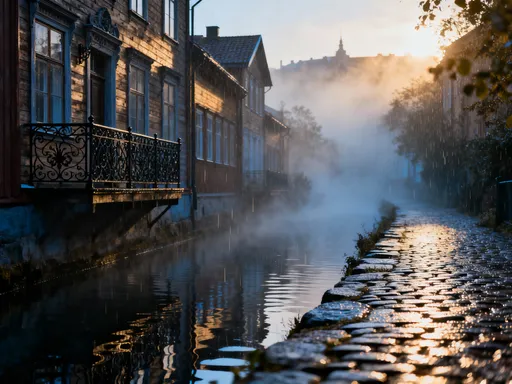
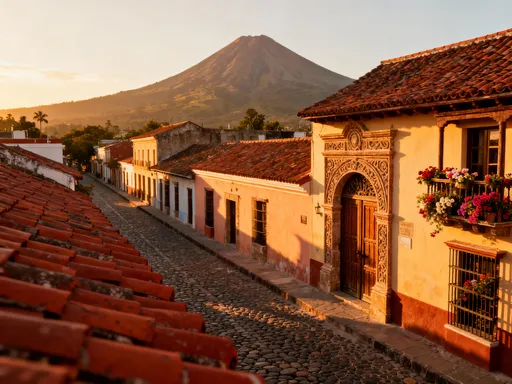
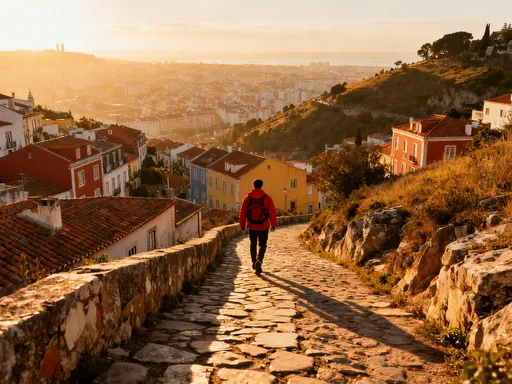
Arriving in Antigua is like opening a storybook where every page pulses with life. Nestled in a highland valley surrounded by towering volcanoes, the city greets visitors with a soft blend of mountain air and the scent of freshly baked tortillas wafting from open doorways. The first thing that strikes the eye is the harmony of color and texture: deep terracotta rooftops cascade down sloping streets, contrasting vividly against the emerald green of the surrounding hills. Bougainvillea spills over ancient stone walls in bursts of magenta and orange, while cobblestones—worn smooth by centuries of footsteps—glisten faintly after a morning rain.
The emotional impact of Antigua’s preserved Spanish colonial design begins the moment you step into its central plazas. Unlike modern cities built for speed and efficiency, Antigua unfolds slowly, inviting contemplation. Every corner reveals architectural details that speak of a layered past—iron-wrought balconies, hand-carved wooden doors, and pastel-hued facades adorned with intricate stucco work. These are not museum pieces frozen in time but living elements of a city where history and daily life coexist. Children chase each other past 17th-century archways, and laundry flutters from balconies that have overlooked the same streets for generations.
What makes the city feel truly alive is the way tradition and modernity blend without conflict. Street art painted on centuries-old walls depicts both Mayan symbols and contemporary social themes, creating a visual dialogue between past and present. Local cafés with Wi-Fi and artisan coffee sit beside centuries-old churches, their patrons typing on laptops beneath ceiling fans that spin lazily overhead. Yet, despite these modern touches, the city retains a quiet dignity, a sense of rootedness that makes every walk feel like a gentle immersion into another world. The sensory richness—sound, scent, sight—creates an immediate connection, one that deepens with every passing hour.
The Soul of the City: Churches and Ruins as Cultural Landmarks
Antigua’s soul is best understood through its churches and ruins, silent witnesses to centuries of faith, upheaval, and resilience. Among the most iconic is the Santa Catalina Arch, a graceful yellow archway that has become the city’s unofficial symbol. Originally built in the 17th century to allow cloistered nuns to cross the street without being seen, it now stands as a testament to both religious devotion and architectural ingenuity. Framed by the looming Agua Volcano in the distance, the arch glows in the late afternoon sun, its curves softened by time and weather.
Equally powerful is La Merced Church, a Baroque masterpiece whose ornate pink façade draws gasps from first-time visitors. The church survived multiple earthquakes that destroyed much of the city, and its survival feels almost miraculous. Inside, the air is thick with the scent of beeswax and incense, and golden altarpieces shimmer in the dim light. The contrast between the church’s vibrant exterior and the solemn peace within creates a profound emotional shift—one that mirrors the duality of Antigua itself: joyful and sorrowful, ancient and enduring.
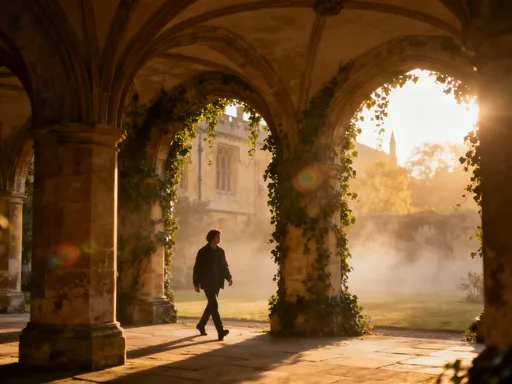
Perhaps most moving are the ruins of the San Francisco and Santo Domingo monasteries, where time has both erased and preserved. At San Francisco, crumbling arches frame the sky, and moss creeps up stone columns that once supported grand cloisters. These are not empty shells but spaces imbued with memory. Guides often recount how the original complex housed one of the first printing presses in the Americas, linking spiritual life with intellectual awakening. The ruins of Santo Domingo, now partially restored as a luxury hotel and cultural center, tell a story of transformation—of how spaces once dedicated to prayer have found new life as places of learning and hospitality.
The viewing experience at these sites is heightened by natural light. At sunrise, long shadows stretch across the ruins, emphasizing their skeletal beauty. During golden hour, the stone glows warm, as if lit from within. Restoration efforts—careful, respectful, and ongoing—allow visitors to appreciate both the original craftsmanship and the marks of time. These sites are not just relics; they are invitations to reflect on how communities rebuild, remember, and continue forward. To walk among them is to feel the weight of history and the quiet strength of cultural survival.
Markets as Moving Canvases: Chichicastenango and Local Artisans
If Antigua’s churches speak of faith and history, its markets sing of creativity and identity. While the famous Chichicastenango market lies a short drive away, Antigua itself hosts vibrant weekend artisan fairs and smaller daily markets where textiles unfold like living paintings. The Nahualate Market and the craft stalls around Parque Central offer an explosion of color—handwoven huipiles (traditional blouses), intricately embroidered skirts, and hand-dyed scarves in patterns that seem to pulse with meaning.
These textiles are more than beautiful objects; they are visual languages. Each design, each color combination, carries significance rooted in Mayan cosmology and regional identity. A zigzag pattern might represent lightning or the path of a sacred serpent, while deep indigo, derived from natural plant dyes, symbolizes the night sky and spiritual depth. Women in the market often wear the same garments they sell, their clothing a quiet declaration of heritage. To observe them is to witness culture not as performance but as daily practice.
Interactions in these markets are not mere transactions but moments of cultural exchange. A vendor might explain how a particular huipil takes weeks to weave on a backstrap loom, or how the red dye comes from cochineal insects harvested from cactus plants. These conversations, though brief, create connections that transcend tourism. They remind visitors that behind every piece is a story—of a grandmother’s teaching, of a village’s tradition, of hands shaped by years of skilled labor.
The market experience is immersive. The air hums with the rhythmic clack of looms in nearby workshops, and the scent of natural dyes—earthy, slightly sour—lingers in the breeze. Children dart between stalls, and elders sit on low stools, watching with quiet dignity. To walk through these markets is to understand that culture is not static; it evolves, adapts, and persists. The vibrant colors are not just pleasing to the eye—they are declarations of resilience, beauty born from centuries of continuity and change.
Street Life as Performance: Festivals, Music, and Daily Rhythms
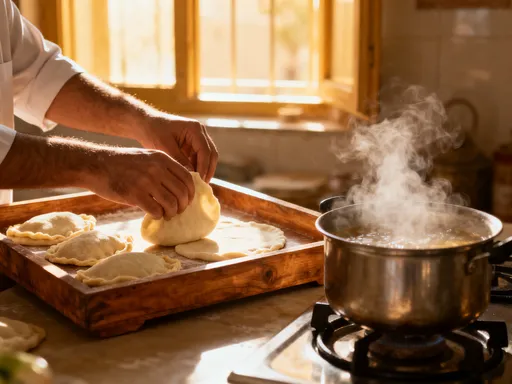
In Antigua, daily life itself is a form of art. There is a rhythm to the city that reveals itself slowly—bakers pulling warm, golden rolls from wood-fired ovens at dawn, schoolchildren in crisp uniforms chatting on their way to class, and street musicians tuning their guitars in the central plaza before sunset. These moments, ordinary in isolation, form a larger tapestry of cultural expression. The city doesn’t perform for tourists; it simply lives, and in doing so, it offers a deeper kind of spectacle.
One of the most powerful expressions of this rhythm is found in local festivals. While Semana Santa (Holy Week) is one of the most renowned, its scale and sacred nature require respectful observation rather than casual attendance. The processions—featuring elaborate alfombras (carpets) made of colored sawdust, flowers, and fruit—are painstakingly created by community members and then walked over in solemn religious parades. The visual impact is staggering: streets transformed into temporary masterpieces, only to be swept away by bare feet and prayer. These moments are not for photography alone but for quiet witnessing.
Even outside major festivals, music fills the air. In Parque Central, a trio might play marimba, its wooden keys producing melodies that echo through the centuries. The marimba, with roots in both African and indigenous traditions, is a symbol of cultural fusion. Nearby, a street artist sketches portraits with charcoal, capturing not just faces but expressions—the crinkles around a laugh, the weight of a thoughtful gaze. These small performances are not staged for tips but are part of the city’s heartbeat.
Timing a visit to align with these rhythms enhances the viewing experience immeasurably. Arriving early in the morning allows one to see the city awaken—the first rays of sun catching the bell towers, the steam rising from tamale stands. Evening brings a different energy: families gathering in plazas, couples strolling arm in arm, and the soft glow of lanterns illuminating courtyards. To be in Antigua is to be reminded that beauty is not only in monuments but in the quiet, recurring acts of daily life.
Perspective from Above: Volcano Views and Rooftop Moments
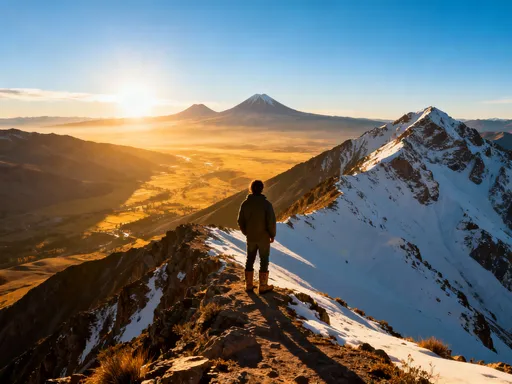
To understand Antigua’s place in the world, one must see it from above. The city is cradled by three volcanoes—Agua, Fuego, and Acatenango—each playing a role in its identity. Agua, with its perfectly symmetrical cone, looms to the south, a constant presence in nearly every vista. Fuego, the Fire Volcano, is often seen puffing smoke or, on active nights, glowing with molten bursts that streak the sky. Acatenango, taller and more rugged, stands as a challenge to hikers seeking panoramic views.
One of the most accessible vantage points is Cerro de la Cruz, a hilltop viewpoint just a short walk from the city center. The climb is gentle, and the reward is immediate: a sweeping panorama of red rooftops nestled in the valley, framed by green slopes and sky. In the early morning, mist curls through the streets like breath, and the city appears to float. At sunset, the light turns golden, and the shadows of the volcanoes stretch long across the land.
Many hotels and restaurants in Antigua feature rooftop terraces, offering quieter alternatives to the crowded lookout. Sitting with a cup of Guatemalan coffee at dawn, watching Fuego’s occasional eruption light up the horizon, is an experience that defies description. The volcano’s activity—a natural reminder of the earth’s power—adds a layer of drama to the landscape. It is not threatening but awe-inspiring, a reminder that this beauty exists in a place shaped by fire and time.
These elevated perspectives do more than offer photo opportunities; they provide context. From above, Antigua appears both delicate and enduring—a small city held in the palm of ancient forces. The view connects the human scale of the streets below with the grandeur of the natural world. It invites reflection: How do people build lives in such a place? How does culture flourish amid such power? The answers are written in the city’s resilience, its art, and its unbroken spirit.
Hidden Corners: Off-the-Beaten-Path Viewing Spots
While Antigua’s main plazas and landmarks draw well-deserved attention, its true magic often lies in the quiet corners. These are the places where time slows, and observation deepens. A tucked-away courtyard in a former convent, now a cultural center, might host a single blooming orchid clinging to a stone wall. A small café with a hidden garden offers chairs beneath a trellis of jasmine, where the only sound is the chirp of a hidden bird. These spaces are not advertised in guidebooks but discovered through wandering and curiosity.
One such spot is a quiet street near the San Francisco Church, where a row of restored colonial homes opens into a shared courtyard. In the late afternoon, sunlight slants across the flagstones, highlighting the texture of centuries-old brick. A street dog naps in a patch of warmth, undisturbed. There are no signs, no vendors, no crowds—just stillness. To sit here is to experience Antigua not as a destination but as a feeling.
Another hidden gem is a small gallery tucked behind a plain door, where local artists display paintings and textiles that capture the soul of the region. Unlike commercial shops, these spaces often allow conversation with the creators, offering insights into their inspirations and techniques. A single piece might depict a mountain village at dawn, rendered in soft pastels that mimic the morning light. These quiet exchanges deepen appreciation, turning art into relationship.
Exploring these off-the-beaten-path locations requires no special equipment—only patience and presence. They remind us that cultural viewing is not about checking off landmarks but about allowing a place to reveal itself gradually. The most meaningful moments are often the unplanned ones: a shared smile with a local gardener, the sound of a distant church bell, the way light changes on a wall over ten minutes. In these details, Antigua becomes not just seen but known.
How to Truly See Antigua: A Viewer’s Mindset
To experience Antigua fully, one must adopt a particular mindset—one of slowness, openness, and respect. The temptation, especially in such a photogenic city, is to document every moment. Yet the deepest viewing happens not through a lens but through presence. Slowing down—walking without a map, sitting in a plaza for an hour, returning to the same spot at different times of day—allows the city to reveal its layers.
Avoiding filters, both literal and metaphorical, is essential. While social media often promotes a curated version of travel, the real beauty of Antigua lies in its imperfections: the crack in a colonial wall, the frayed edge of a market blanket, the weathered face of an artisan. These are not flaws but features—marks of a lived-in, authentic place. Engaging respectfully with locals—asking permission before photographing, learning a few words in Spanish or Kaqchikel, listening more than speaking—builds bridges rather than barriers.
Journaling impressions can deepen the experience. Writing down not just what was seen but how it felt—the coolness of stone under a hand, the taste of a ripe mango bought from a street vendor, the sound of a child’s laughter echoing off church walls—creates a personal record that lasts far longer than photographs. It trains the mind to notice, to remember, to connect.
Ultimately, the best way to see Antigua is to move beyond the postcard. It is not enough to stand before the Santa Catalina Arch and take a picture. One must also notice the shadow it casts at 4 p.m., the way pigeons nest in its crevices, the couple who meets there every evening. These are the authentic moments that transform a visit into a memory, a place into a presence. To truly see Antigua is to let it change the way you see the world.
Antigua isn’t just seen—it’s felt. Its beauty lies not only in its preserved facades but in the living culture that pulses through its streets. To view it deeply is to understand a place where history, art, and daily life merge into one unforgettable tapestry. The real magic? It reveals itself only to those who truly look.