You Won’t Believe What I Found Beyond the Leaning Tower in Pisa
Pisa is more than just a tilting landmark—it’s a city pulsing with life, art, and hidden charm. I went expecting postcard views, but left in love with its sunlit piazzas, quiet canals, and authentic Italian soul. This is not just a stopover story. From bustling markets to serene riverside walks, Pisa surprised me at every turn. Let me take you where the real magic happens—beyond the crowd.
First Impressions: Arriving in a City That Defies Expectations
Stepping off the train at Pisa Centrale, one doesn’t immediately see the Leaning Tower. Instead, the city greets you with a gentle rhythm—students with backpacks, espresso bars humming with morning conversation, and bicycles gliding past historic facades. The air carries the scent of fresh bread and diesel, a reminder that this is not a museum piece frozen in time, but a living, breathing Tuscan city. Unlike Florence, where every alley feels curated for the camera, or Venice, where daily life sometimes plays second fiddle to tourism, Pisa strikes a rare balance. It welcomes visitors without surrendering its authenticity.
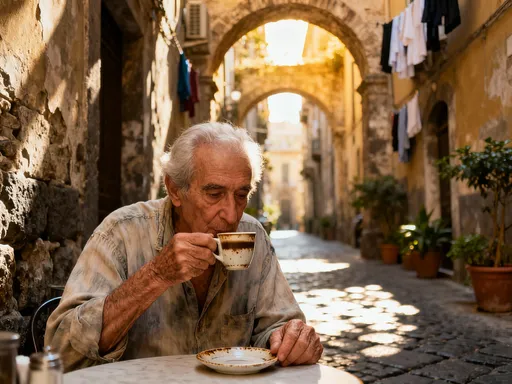
The first view of the city center unfolds gradually. You pass beneath arched porticos, glimpse laundry fluttering between buildings, and hear the faint strum of a guitar from a street performer near the river. There’s a sense of ease here, a slower pace that invites you to linger. Pisa is home to one of Italy’s oldest universities, and its youthful energy mingles with centuries-old traditions. Young couples sip wine at outdoor tables, elderly men debate politics over chessboards, and children chase pigeons near the Duomo—scenes that feel unscripted, genuine.
What sets Pisa apart is its unpretentious charm. While other Italian cities can feel overwhelming in their grandeur, Pisa wears its history lightly. The architecture is magnificent, yes, but it’s also lived-in. Shutters are weathered, walls bear the marks of time, and ivy climbs ancient stone. This isn’t perfection polished for tourists—it’s beauty shaped by daily life. Arriving here feels less like entering a monument and more like being welcomed into a community that happens to house one of the world’s most famous towers.
Piazza dei Miracoli: More Than Just a Leaning Tower
The Piazza dei Miracoli, or “Square of Miracles,” is one of the most iconic UNESCO World Heritage Sites in Europe. Yet, beyond the postcard image of the Leaning Tower, the square offers a deeply moving experience that unfolds slowly, layer by layer. As you step through the gates, the expanse of green lawn stretches before you, framed by luminous white marble buildings that glow under the Tuscan sun. The air feels still, almost reverent, as if the space itself commands silence.
The Leaning Tower is, of course, the star—but it’s the ensemble that stirs the soul. The Cathedral of Santa Maria Assunta, with its intricate arcades and rose window, stands as a masterpiece of Pisan Romanesque architecture. Its façade, adorned with columns and sculptures, tells stories of faith and artistry that span centuries. Inside, the cool dimness offers a contrast to the brightness outside, and the vast nave inspires a quiet awe. Few visitors realize that the cathedral’s pulpit, carved by Giovanni Pisano, is considered one of the finest examples of Gothic sculpture in Italy.
Equally captivating is the Baptistery, a colossal circular structure that dominates the northern end of the square. Step inside, and the acoustics transform your voice into something ethereal. A single hum reverberates like a choir, a phenomenon that never fails to draw smiles from visitors. The interplay of light through the high windows, the echo of footsteps on stone, and the sheer scale of the space create a moment of unexpected introspection. This is not just architecture—it’s an emotional experience.
To truly appreciate the Piazza dei Miracoli, timing is everything. Arriving early in the morning, just after the gates open, allows you to walk the lawn before the crowds descend. By 9:30 a.m., tour groups begin to arrive, and the square transforms into a bustling stage. But in those first quiet hours, you can sit on a bench, face the cathedral, and absorb the stillness. Bring a notebook, a camera, or simply your breath—this is a place to be present. For those who wish to climb the Leaning Tower, reservations are essential, and the early slots offer not only cooler temperatures but a more personal encounter with the view.
The Hidden Pisa: Quiet Streets and Local Life Along the Arno
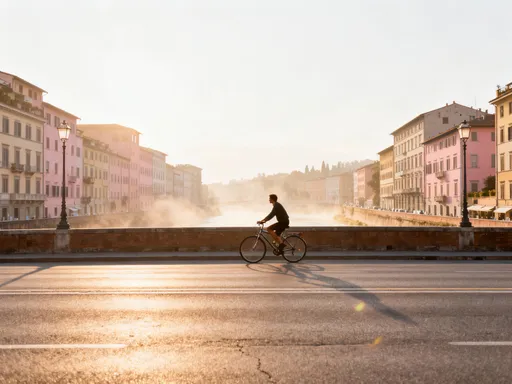
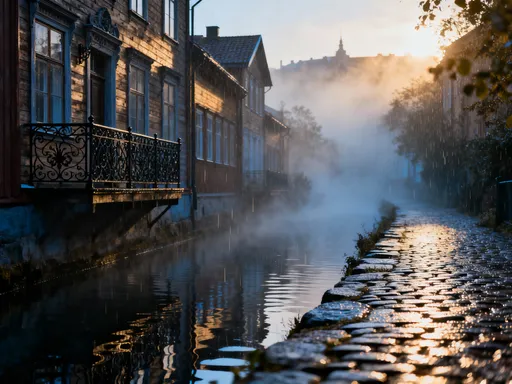
Away from the polished piazzas and tourist pathways, Pisa reveals a quieter, more intimate side along the banks of the Arno River. The Lungarni, the tree-lined promenades that run along both sides of the river, offer some of the city’s most poetic moments. Here, the pastel-colored buildings reflect in the water, their shutters painted in soft yellows, peaches, and creams. The rhythm of life here is measured—fishermen cast lines from stone embankments, cyclists glide along the paths, and couples stroll hand in hand as the sun dips below the horizon.
Begin a morning walk at Ponte di Mezzo, the central bridge that connects the two sides of the city. From here, the Arno flows calmly, bordered by elegant arcades and historic palazzos. As you move westward, the city’s Medici-era docks come into view—once bustling with trade, now peaceful and contemplative. These stone quays, built in the 16th century, were designed to accommodate cargo ships bringing goods from across Tuscany. Today, they host small cafes and reading nooks where locals sip cappuccino with a book in hand.
What makes this riverside experience so special is the absence of fanfare. There are no ticket booths, no guided tours—just the quiet hum of daily life. You might hear a violin practicing in an open window, catch the scent of jasmine from a hidden garden, or watch a heron stalk the riverbank. The bridges themselves tell stories: Ponte Solferino, with its iron railings, offers one of the best views of the river at golden hour. Ponte Santa Trinita, further downstream, is less frequented but equally beautiful, its arches framing the city like a painting.
This is the Pisa that residents cherish—the city of morning coffee by the water, of evening walks with neighbors, of seasons marked by the changing light on the river. To walk the Lungarni is to step into the heartbeat of the city, to experience not what Pisa is famous for, but what it truly is.
Markets, Food, and the Taste of Authentic Pisa
No visit to Pisa is complete without a morning spent at the Mercato delle Vettovaglie, the city’s historic food market tucked behind Piazza delle Erbe. Unlike sanitized gourmet halls, this is a place of raw, vibrant energy—stalls piled high with sun-ripened tomatoes, wheels of pecorino cheese, and baskets of wild mushrooms. The air is thick with the scent of basil, garlic, and roasting chestnuts. Vendors call out prices in rapid-fire Italian, their hands moving swiftly as they wrap fresh mozzarella in paper.
This is where Pisans shop, not just tourists. Elderly women inspect figs with a practiced eye, chefs from local trattorias haggle over prices for artichokes, and children reach for samples of honey-drizzled ricotta. The market has operated in this location since the Middle Ages, and its continuity is part of its charm. It’s not a performance—it’s a living tradition. To wander here is to witness the soul of Tuscan cuisine: simple, seasonal, and deeply rooted in the land.
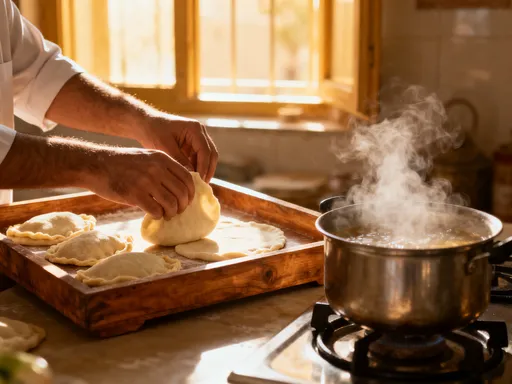
Among the must-try foods is cecina, a savory chickpea pancake baked in a wood-fired oven until golden and crisp at the edges. Served hot in a paper cone, it’s a beloved street food, often eaten on the go with a sprinkle of black pepper and rosemary. Another local favorite is schiacciata, a flatbread similar to focaccia but lighter, often brushed with olive oil and coarse salt. In the fall, look for castagnaccio, a dense chestnut flour cake studded with pine nuts and raisins—warm, earthy, and comforting.
And then there are the wines. Tuscany’s reputation precedes it, but in Pisa, the choices are more modest, more personal. Ask a vendor for a bottle of Vermentino from the coastal hills—crisp, floral, perfect with seafood—or a light Sangiovese from nearby vineyards. Pair it with a slice of lardo di Colonnata, cured pork fat marbled with herbs, and you have a meal that tastes of place and tradition. Food in Pisa isn’t about extravagance; it’s about connection. Each bite ties you to the soil, the season, and the people who grow, cook, and share it.
Day Trips and Smart Destination Choices from Pisa
One of Pisa’s greatest advantages is its location in the heart of Tuscany, making it an ideal base for exploring the region’s treasures. The city’s central train station offers frequent, reliable connections to nearby towns, many of which are less than an hour away. For travelers seeking variety without the hassle of constant relocation, Pisa provides the perfect balance of accessibility and charm.
A short 20-minute train ride east brings you to Lucca, a walled city encircled by Renaissance-era ramparts now used as a tree-lined pedestrian promenade. Rent a bike and cycle the full 4-kilometer loop for panoramic views of red rooftops and distant hills. Inside the walls, cobblestone streets lead to hidden piazzas, artisan shops, and the striking elliptical Piazza dell’Anfiteatro, built on the ruins of a Roman amphitheater. Lucca moves at a gentle pace, ideal for families or those seeking a quieter Tuscan experience.
For a journey back in time, head southeast to San Gimignano, reachable by train and bus in about 90 minutes. Known as the “Medieval Manhattan” for its cluster of stone towers, this hilltop town offers breathtaking views of the Val d’Orcia. Wander narrow alleys, sample world-famous gelato from artisan shops, and visit family-run wineries offering tastings of Vernaccia, a crisp white wine unique to the region. The town’s compact size makes it perfect for a half-day trip, yet its impact lingers long after you leave.
Those craving sea air can take a 15-minute train to Marina di Pisa, a modest seaside village where the Arno meets the Ligurian Sea. Once a fashionable resort in the 19th century, it now offers a relaxed escape—wide beaches, a palm-lined promenade, and simple seafood restaurants serving branzino and grilled sardines. In summer, families gather for afternoon swims; in spring and fall, the boardwalk is nearly empty, perfect for long walks and quiet reflection.
For the most flexible exploration, consider renting a bike in Pisa and riding along the Ciclovia del Sole, a long-distance cycling route that passes through vineyards, olive groves, and medieval villages. Even a few hours on two wheels can reveal a side of Tuscany that trains and cars often miss—the scent of rosemary on the breeze, the sound of church bells across a valley, the warmth of a farmer’s wave from a distant field.
What Makes a Scenic Spot Truly Memorable?
Some views are merely pretty. Others, under the right light, at the right moment, become unforgettable. What transforms a scene from ordinary to profound? It’s not always the grandeur of the architecture or the fame of the landmark. Often, it’s the quiet details—the way mist curls around the base of the Leaning Tower at dawn, or how the late afternoon sun turns the cathedral’s marble into liquid gold.
Memory is shaped by stillness. A sunset along the Arno, with the water reflecting the sky in streaks of rose and amber, lingers not because it’s dramatic, but because it invites pause. In that moment, the city softens. The noise fades. You notice the couple sharing a bottle of wine on a bench, the old man feeding pigeons, the laughter of children chasing bubbles. These are the fragments that stitch themselves into your mind.
Another element is sound. The echo inside the Baptistery, the distant chime of church bells, the strum of a guitar in a shadowed piazza—these auditory impressions often outlast visual ones. I still remember a lone musician playing in Piazza Sant’Omobono one evening, his melodies floating through the cool air as the square emptied. No crowd, no applause—just music for its own sake. That moment, simple and unplanned, stayed with me more than any guided tour.
True memorability also requires presence. It’s easy to rush through a city, ticking off sights, snapping photos, and moving on. But the deepest experiences come when we slow down—when we sit on a bench without checking our phone, when we let ourselves get lost in a nameless alley, when we allow a place to unfold at its own pace. Pisa rewards this kind of attention. The longer you stay, the more it reveals: a hidden courtyard, a family-run bakery, a view no guidebook mentions.
Conclusion: Reimagining Pisa—A City That Stays With You
Pisa is often reduced to a single image—a tower that leans, a photo op, a stopover between Florence and the coast. But to see it only that way is to miss its essence. This is a city of layers, of quiet mornings by the river, of market chatter and candlelit dinners in ancient piazzas. It’s a place where history isn’t locked behind glass but woven into daily life.
The transformation begins the moment you step beyond the Piazza dei Miracoli. You start to notice the way sunlight hits a shutter at 4 p.m., the sound of a fountain in a hidden garden, the warmth of a baker who hands you a warm schiacciata “just because.” These small moments accumulate, reshaping your understanding of what travel can be.
Pisa teaches us that even the most famous places hold intimate wonders—if we’re willing to look. It invites us to slow down, to wander without an agenda, to let curiosity guide us. In doing so, we don’t just see a city. We begin to feel it, to carry it with us. And perhaps that’s the greatest miracle of all—not in marble or engineering, but in the quiet, lasting impression a place can leave on the heart.