Why I Let Ancient Wisdom Fix My Modern Burnout
For years, I chased quick fixes—energy drinks, crash diets, sleepless nights. But my body kept screaming for balance. Then I discovered traditional Chinese medicine (TCM) adjustment, not as a trend, but as a system. It didn’t promise miracles, just harmony. Through small, daily shifts in eating, breathing, and living, I found steady energy, clearer skin, and better sleep. This is how I learned to maintain health—naturally, sustainably, and in tune with my body’s rhythm.
The Breaking Point: When Modern Life Overwhelmed My Body
There was a time when getting through the day felt like surviving a marathon with no finish line. Mornings began with a foggy head and a jittery heart, fueled by coffee and sheer willpower. Evenings ended with exhaustion that no amount of scrolling could ease. I was a mother of two, managing a part-time job, household responsibilities, and the invisible weight of constant to-do lists. My body had become a machine I pushed without maintenance, and eventually, it began to break down.
Headaches became routine. My skin grew dull, my digestion unpredictable, and sleep—once a refuge—turned into another source of stress. I tried everything the modern world offered: protein bars for energy, melatonin gummies for sleep, over-the-counter painkillers for tension. I even cycled through trendy supplements and detox teas, hoping one would reset my system. But the relief was always temporary, like placing a bandage on a wound that kept reopening.
The turning point came during a routine check-up. My blood pressure was elevated, and my doctor noted signs of chronic inflammation. There was no single diagnosis, no clear illness—just a body in distress. She didn’t prescribe medication. Instead, she asked, “When was the last time you truly rested?” That question lingered. I realized I had been treating symptoms while ignoring the root cause: a life out of balance. I needed more than quick fixes. I needed a different way of thinking about health—one that wasn’t about fighting my body, but listening to it.
Discovering TCM Adjustment: More Than Herbs and Acupuncture
My journey into traditional Chinese medicine began not in a clinic, but in a quiet moment of curiosity. While browsing a wellness library, I stumbled upon a book that described health not as the absence of disease, but as a state of flow—where energy, emotions, and environment were in harmony. It introduced me to TCM as a complete system of understanding the body, one that had been refined over thousands of years.
At first, I associated TCM only with acupuncture and herbal teas—exotic treatments I assumed were for extreme conditions or alternative lifestyles. But as I learned more, I realized it was much broader. TCM views the body as an interconnected network, where physical symptoms are reflections of deeper imbalances. Instead of isolating a headache as a brain issue, TCM might trace it to liver stress, poor digestion, or disrupted sleep rhythms. This holistic lens felt more intuitive than the fragmented approach I had known.
Central to TCM is the concept of Qi (pronounced “chee”), the vital energy that flows through the body. When Qi moves smoothly, we feel alert, calm, and resilient. When it’s blocked or depleted, fatigue, pain, or emotional strain can arise. Another key principle is the balance of Yin and Yang—opposing yet complementary forces. Yin represents rest, nourishment, and coolness; Yang stands for activity, warmth, and movement. Health, in this view, is not about maximizing energy but maintaining equilibrium between these forces.
TCM also maps the body through organ systems, but not in the Western anatomical sense. Each organ has physical, emotional, and energetic roles. For example, the liver governs the smooth flow of Qi and is linked to frustration when imbalanced. The spleen supports digestion and mental clarity and weakens under overthinking. These connections helped me see my symptoms not as random malfunctions, but as messages from a system asking for attention.
The Five Pillars of TCM-Based Health Maintenance
What I found most empowering about TCM was not a single remedy, but a framework—a way to organize daily life around health rather than crisis. This framework rests on five interconnected pillars: diet according to body constitution, daily routines aligned with natural cycles, emotional regulation, gentle movement, and environmental harmony. Together, they form a sustainable approach to well-being that doesn’t rely on drastic changes, but on consistent, mindful choices.
The first pillar is personalized nutrition. TCM teaches that no single diet fits all. A person with a “cold” constitution may thrive on warming foods, while someone with excess “heat” may need cooling options. This idea shifted my thinking from calorie counting to energetic balance. I began to ask not just what I was eating, but how it made my body feel—whether it energized me or weighed me down.
The second pillar is rhythm. TCM emphasizes living in sync with nature’s cycles—the rising and setting of the sun, the changing seasons. Our bodies have internal clocks that regulate digestion, hormone release, and repair processes. When we ignore these rhythms—eating late, sleeping irregularly, working through fatigue—we disrupt our natural balance. Aligning with these cycles became a cornerstone of my recovery.
Emotional regulation is the third pillar. In TCM, emotions are not separate from physical health. Excessive anger affects the liver, worry impairs the spleen, and grief burdens the lungs. Rather than suppressing emotions, TCM encourages awareness and gentle release—through breath, movement, or simply allowing space to feel. This helped me understand that stress wasn’t just in my head; it was shaping my physical state.
Gentle movement, such as Qigong or Tai Chi, forms the fourth pillar. Unlike high-intensity workouts that deplete energy, these practices cultivate Qi through slow, intentional motions and deep breathing. They are not about performance but presence—about reconnecting with the body in a nourishing way. I started with just ten minutes a day, and over time, the practice became a sanctuary.
The fifth pillar is environmental harmony. This includes the air we breathe, the spaces we inhabit, and even the company we keep. TCM suggests that cluttered spaces contribute to stagnant energy, while natural light and fresh air support vitality. Simple changes—opening windows, adding plants, reducing screen time—helped create a home that supported healing rather than stress.
Food as Daily Medicine: Eating With Intention
One of the most immediate shifts I made was in my kitchen. TCM views food not just as fuel, but as medicine that can either support or disrupt balance. The key is eating according to your body’s needs and the season. For example, in winter, warming foods like soups, stews, and root vegetables help conserve energy. In summer, cooling foods like cucumber, melon, and leafy greens prevent overheating.
I began to pay attention to how different foods affected my energy. Cold smoothies for breakfast, once a staple, left me sluggish by mid-morning. TCM explains this: cold foods slow digestion, especially in the morning when the body’s digestive fire is just waking up. I switched to warm, cooked meals—oatmeal with cinnamon, congee with ginger, or scrambled eggs with sautéed vegetables. These meals not only settled my stomach but gave me steady energy that lasted.
Another change was embracing seasonal eating. Instead of chasing imported produce year-round, I started shopping at local farmers’ markets. In spring, I loaded up on leafy greens and sprouts, which TCM says help cleanse the liver after winter. In autumn, I incorporated more pears, apples, and squash to nourish the lungs and support immunity. This seasonal rhythm felt natural, like my body was syncing with the earth.
Mindful eating became part of the practice. I learned to eat in calm environments, chew thoroughly, and stop before feeling full. TCM teaches that digestion begins in the mouth and continues with a relaxed mind. Eating on the go, while stressed, or in front of screens impairs this process. By slowing down, I noticed my digestion improved, bloating decreased, and I felt more satisfied with less food.
One simple habit made a big difference: drinking warm water throughout the day. Cold beverages, especially with meals, can dampen digestive function. Warm water, sometimes with a slice of lemon or ginger, supports Qi flow and helps flush toxins. I kept a thermos at my desk and made it a ritual to sip slowly. Over time, my afternoon fatigue lessened, and my skin became more radiant.
Rhythm Over Rigor: Aligning with Natural Cycles
In a world that glorifies busyness, the idea of slowing down felt radical. But TCM taught me that true vitality comes not from pushing harder, but from moving with natural rhythms. The body operates on a 24-hour cycle known in TCM as the “organ clock,” where different organs are most active at specific times. Supporting these cycles can dramatically improve energy and resilience.
For example, the liver is most active between 1 a.m. and 3 a.m. This is when it detoxifies the blood and processes emotions. If you wake up during this window, TCM suggests liver imbalance—often linked to stress or poor diet. To support the liver, I began winding down earlier, avoiding heavy dinners, and limiting alcohol. I also started going to bed by 10:30 p.m., allowing deeper rest during this critical window.
The spleen and stomach dominate digestion between 7 a.m. and 9 a.m. and 9 a.m. to 11 a.m., respectively. This is why breakfast is so important—it fuels the body’s metabolic engine. Skipping it, or eating something cold and light, can weaken digestion over time. I now treat breakfast as my most important meal, even if it’s small and simple. Eating during these hours supports energy for the entire day.
Lung energy peaks between 3 a.m. and 5 a.m., making this a natural time to wake up. While I don’t rise that early, I aim to be up by 6:30 a.m. to greet the day with sunlight, which regulates circadian rhythms. I open the curtains, step outside for fresh air, and take a few deep breaths. This small ritual signals to my body that it’s time to shift from rest to activity.
Dinner timing also shifted. I now eat by 7 p.m., giving my digestive system time to process food before sleep. Late-night eating, especially heavy or spicy meals, can overwork the stomach and disrupt sleep. I noticed that when I followed this rhythm, I woke up lighter and more refreshed. Over time, my sleep quality improved, and I no longer relied on sleep aids.
Gentle Movement and Breath: Recharging Without Exhaustion
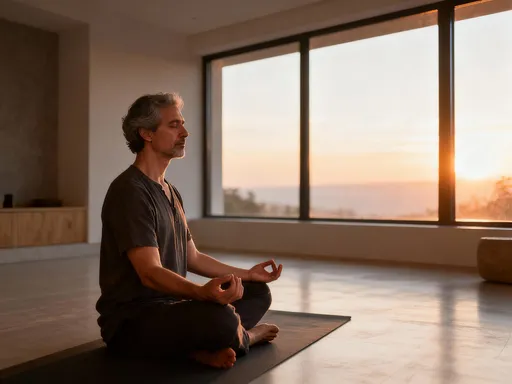
Exercise used to mean pushing to the limit—running until exhausted, lifting until sore. But after years of burnout, my body couldn’t handle that kind of strain. I needed movement that restored, not depleted. That’s when I discovered Qigong, a centuries-old practice that combines slow motion, breath control, and mental focus to cultivate Qi.
I started with a simple five-minute routine: standing with feet shoulder-width apart, hands resting gently on the lower abdomen, and breathing deeply into the belly. This posture, known as “standing like a tree,” teaches grounding and presence. At first, I felt awkward, my mind racing. But with daily practice, I began to feel a subtle warmth in my core—a sign, I later learned, of Qi gathering.
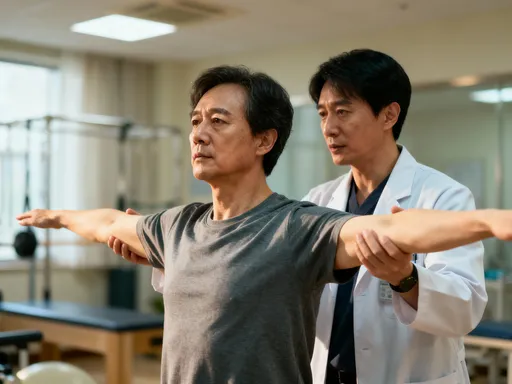
Gradually, I added gentle flowing movements—raising the arms like lifting silk, turning the torso with slow awareness, stepping forward with intention. Each motion is designed to open energy pathways, release tension, and calm the nervous system. Unlike intense workouts, Qigong doesn’t leave me breathless or sore. Instead, I feel centered, clear-headed, and quietly energized.
Breath is the heart of the practice. Diaphragmatic breathing—deep, slow breaths that expand the belly—activates the parasympathetic nervous system, the body’s rest-and-digest mode. I practice this not just during Qigong, but throughout the day: while folding laundry, waiting in line, or calming a moment of frustration. Just three deep breaths can shift my state from reactive to calm.
Walking also became a form of moving meditation. Instead of rushing, I walk with awareness—feeling each step, noticing the air, listening to birds. I aim for 20 to 30 minutes most days, preferably in nature. This kind of movement doesn’t burn calories aggressively, but it nourishes the spirit and supports circulation. Over time, my posture improved, my shoulders relaxed, and my mental clarity sharpened.
Listening to Your Body: The Real Skill of Self-Care
Perhaps the most profound lesson TCM taught me was how to listen. In a culture that rewards ignoring pain and pushing through fatigue, tuning in feels revolutionary. TCM encourages observing subtle signs—your energy levels, digestion, mood, even the color and coating of your tongue—as feedback from your body.
I began keeping a simple wellness journal. Each morning, I noted how I slept, how my energy felt, and any physical sensations. I paid attention to my tongue—pale and puffy meant low Qi; a yellow coating suggested heat or inflammation. These weren’t diagnoses, but clues. When I felt unusually tired, I didn’t reach for caffeine. Instead, I asked: Did I sleep well? Did I eat something heavy? Am I holding onto stress?
This practice shifted my relationship with symptoms. Instead of seeing fatigue as an enemy to defeat, I began to see it as a signal to slow down. A headache wasn’t just something to medicate; it was a sign of tension, dehydration, or overstimulation. By responding with rest, hydration, or a walk in fresh air, I often prevented it from worsening.
Self-care stopped being a luxury and became a daily practice—a series of small choices that honored my body’s needs. It wasn’t about perfection. Some days, I still skip Qigong or eat late. But now, I notice the impact. And that awareness allows me to course-correct, not with guilt, but with kindness.
TCM taught me that health is not a destination, but a continuous process of alignment. It’s not about eliminating stress or achieving constant energy, but about building resilience—the ability to adapt, recover, and return to balance. This mindset has transformed not just my body, but my entire approach to life.
True health isn’t about perfection—it’s about daily alignment. TCM adjustment taught me to stop fighting my body and start partnering with it. By embracing its systematic, gentle wisdom, I didn’t just recover—I learned how to stay well. And that makes all the difference.