Why I Finally Broke Free from Smoking and Tamed My Drinking – And How It Changed Everything
You know that nagging feeling when you wake up tired, even after eight hours of sleep? I had it for years. It wasn’t until I connected the dots between my smoking habit, weekend drinking binges, and constant low energy that I realized something had to change. This isn’t about perfection—it’s about early action. I share what finally worked for me, not in a lab, but in real life. The shift didn’t happen overnight, and it wasn’t driven by a dramatic diagnosis. Instead, it grew from small realizations: shorter breath during walks with my kids, more frequent colds, and a growing sense that my body was working harder just to keep up. This is the story of how stepping back from two common habits—smoking and drinking—transformed my health, mood, and daily life in ways I never expected.
The Wake-Up Call: When Small Habits Started Taking a Toll
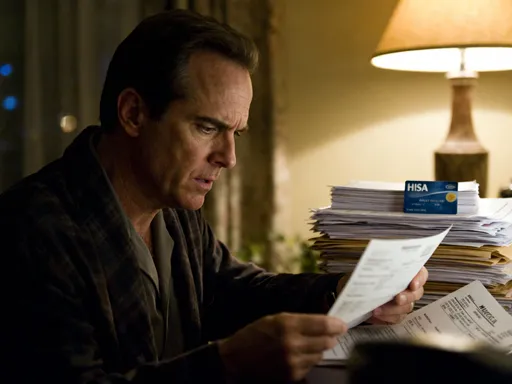
For years, I told myself I was in control. I didn’t smoke every day—just after meals, during stressful work calls, or when meeting friends. I called it ‘light smoking,’ a phrase that felt safer, almost harmless. My drinking? Reserved for weekends, holidays, or dinner parties. I considered it social, not serious. But over time, the effects began to stack up. I noticed I couldn’t climb stairs without pausing to catch my breath. Mornings left me groggy, my skin dull, my eyes puffy. I blamed aging, stress, or poor sleep, never connecting the dots to the cigarette I lit with coffee or the second glass of wine that turned into three.
The turning point came during a family hike. My children, full of energy, raced ahead while I lagged behind, hands on knees, gasping. That moment wasn’t just physically uncomfortable—it was emotionally jarring. I realized I was missing out on moments I couldn’t get back. It wasn’t one big symptom, but the accumulation of small ones: fatigue, irritability, frequent headaches, and a persistent cough I’d been ignoring. These weren’t signs of aging. They were signals from my body, asking for a change.
Many people fall into the same trap—believing that occasional or moderate use of cigarettes and alcohol carries little risk. But research shows that even light smoking, defined as fewer than five cigarettes a day, significantly increases the risk of heart disease and lung damage. Similarly, what feels like harmless social drinking can quietly cross into risky territory. The National Institute on Alcohol Abuse and Alcoholism defines moderate drinking as up to one drink per day for women and two for men. Yet, many exceed this without realizing the long-term toll. These habits don’t announce their harm with alarms. They erode health slowly, silently, until the body can no longer compensate.
Why Quitting Smoking Is More Than Just Lungs
When I finally quit smoking, I expected improvements in my breathing. What I didn’t anticipate was how quickly other parts of my body responded. Within 20 minutes of my last cigarette, my heart rate and blood pressure began to drop. After 12 hours, carbon monoxide levels in my blood returned to normal, allowing oxygen to flow more freely. By the end of the first day, my circulation had already started to improve. These changes weren’t theoretical—they were tangible. I felt warmer in my hands and feet, a sign of better blood flow.
Smoking affects nearly every organ in the body, not just the lungs. It damages the lining of blood vessels, increasing the risk of atherosclerosis—a condition where arteries narrow due to plaque buildup. This raises the likelihood of heart attack and stroke. The immune system also suffers; smokers are more prone to infections and take longer to heal. What surprised me most was the impact on my mental clarity. Within a week of quitting, I noticed I could focus better at work. My thoughts felt sharper, less clouded. This isn’t anecdotal—nicotine withdrawal can cause temporary brain fog, but long-term, the brain benefits from improved oxygen and reduced inflammation.
The physical benefits became even more apparent over time. I started walking more, then taking up light jogging. Activities that once left me breathless now felt manageable. I caught fewer colds, and when I did, recovery was faster. My sleep improved, not just in quality but in depth. I wasn’t waking up coughing or with a dry throat. These changes weren’t dramatic overnight, but their consistency built a new baseline of well-being. The most powerful realization was this: my body wasn’t broken. It just needed a chance to heal.
Rethinking Alcohol: It’s Not Just About Getting Drunk
Quitting smoking felt like a clear decision. Cutting back on alcohol was more complicated. It was woven into so many parts of my life—celebrations, winding down after work, social gatherings. I didn’t drink every day, but when I did, it was easy to go past my limit. I told myself it was relaxation, but in reality, it was often a way to numb stress or avoid difficult emotions. The shift began when I started tracking how I felt the next day. More often than not, I woke up with a slight headache, low energy, or a sense of regret. My sleep, though long, didn’t feel restful.
Alcohol disrupts sleep architecture, reducing REM sleep—the stage essential for memory and emotional regulation. Even moderate drinking can lead to fragmented sleep, leaving you tired despite hours in bed. The liver, responsible for processing alcohol, works hard to break it down, producing toxins like acetaldehyde, which contribute to hangover symptoms and long-term cellular damage. Over time, repeated strain on the liver can lead to fatty liver disease, inflammation, and, in severe cases, cirrhosis. But the effects go beyond the liver. Alcohol affects blood sugar levels, mood stability, and hormone balance. It can worsen anxiety and depression, even if it initially feels calming.
One of the most important lessons was learning to recognize the signs that drinking had shifted from habit to harm. These included needing more to feel the same effect, skipping activities to drink, or feeling irritable when not drinking. I wasn’t dependent in the clinical sense, but I was relying on alcohol more than I admitted. Cutting back wasn’t about elimination—it was about intention. I started with small changes: swapping wine for sparkling water with lime, setting a strict two-drink limit, and avoiding drinking on weeknights. These adjustments weren’t punitive; they were protective.
The Mindset Shift That Made All the Difference
Early attempts to quit smoking and reduce drinking failed because I approached them from a place of guilt. I told myself I was weak, undisciplined, or lacking willpower. That mindset only led to shame, which made me more likely to reach for a cigarette or pour another drink. The real change came when I shifted from punishment to care. Instead of asking, ‘Why can’t I stop?’ I began asking, ‘What do I want for my health?’ This subtle reframe transformed the entire journey.
I stopped seeing these habits as moral failures and started viewing them as choices that no longer served me. I set intentions, not restrictions. For example, instead of saying, ‘I can’t smoke,’ I told myself, ‘I choose to breathe deeply and feel strong.’ Instead of ‘I shouldn’t drink,’ I said, ‘I’m giving my liver a break so I can feel clear tomorrow.’ This approach built self-trust. Every time I honored my intention, I reinforced the belief that I could take care of myself.
Motivation fluctuated, but consistency grew from small wins. I celebrated going a full day without smoking, not with a reward that undermined progress, but with quiet pride. I noticed how much money I saved and redirected it into a wellness fund for massages and fitness classes. These positive reinforcements made the changes feel sustainable. The goal wasn’t perfection—it was progress. And progress, no matter how small, built momentum.
Practical Steps That Actually Stick (No Willpower Needed)
Willpower is overrated. Lasting change comes from changing your environment and routines, not relying on sheer determination. One of the most effective strategies was replacing triggers with new habits. Mornings used to start with coffee and a cigarette. Now, I begin with a glass of water, a short stretch, and a walk around the block. The ritual still provides quiet time, but it energizes instead of depletes.
Stress was another major trigger. Instead of reaching for a cigarette or a drink, I developed a toolkit: deep breathing exercises, a five-minute journaling session, or a quick call to a supportive friend. These alternatives didn’t eliminate stress, but they helped me respond to it in healthier ways. I also redesigned my space. I removed ashtrays, avoided keeping alcohol at home, and stocked my fridge with herbal teas and flavored sparkling water. Out of sight didn’t always mean out of mind, but it reduced temptation significantly.
For alcohol, I adopted simple rules. I never drank on an empty stomach, always had a glass of water between drinks, and set a timer on my phone to stop after two drinks. I explored non-alcoholic options—mocktails with fresh fruit, kombucha, or warm cinnamon tea. These weren’t substitutes; they became enjoyable in their own right. I also learned to say no without apology. At social events, I’d confidently order a soda with lime, and most people didn’t question it. The more I practiced, the more natural it felt.
How Early Action Prevents Bigger Problems Down the Road
One of the most empowering realizations was that I didn’t need a diagnosis to make a change. Preventive health is about listening to your body before symptoms become serious. Smoking and excessive drinking are leading risk factors for preventable diseases, including heart disease, stroke, liver disease, and several types of cancer. The good news? The body begins to repair itself almost immediately when these habits are reduced or stopped.
For example, one year after quitting smoking, the risk of coronary heart disease is cut in half. After five years without alcohol, the risk of certain cancers begins to decline. These aren’t distant promises—they’re measurable improvements that start within months. Early action doesn’t guarantee immunity, but it dramatically improves odds. It’s like investing in a retirement fund: the earlier you start, the greater the long-term benefit.
I also noticed a shift in my relationship with healthcare. I went from dreading check-ups to welcoming them. My blood pressure stabilized, my liver enzymes improved, and my doctor noted better lung function. These weren’t miracles—they were results of consistent choices. I wasn’t avoiding the doctor out of fear; I was engaging with my health proactively. That shift in mindset—from reactive to preventive—was one of the most valuable outcomes.
Staying on Track Without Perfection
Change isn’t linear. There were days I slipped—a cigarette during a crisis, an extra drink at a wedding. In the past, these moments would have derailed me. I’d think, ‘I’ve already ruined it, so I might as well keep going.’ But now, I’ve learned to respond with compassion, not judgment. A slip isn’t a failure; it’s feedback. It tells me what triggers I need to address or what support I might be missing.
I track progress differently now. Instead of focusing only on weight or lab results, I pay attention to energy levels, mood stability, and physical ease. Can I play with my kids without getting winded? Do I wake up feeling rested? Am I more present in conversations? These are the real indicators of health. They remind me why I started and keep me grounded in the long-term vision.
Sustainability comes from flexibility. I don’t follow a rigid rulebook. Some weeks are stricter than others, and that’s okay. The goal is a lifestyle that fits my values, not a temporary diet or detox. I’ve built habits that feel good, not just ones I think I should do. That makes all the difference. I no longer feel deprived. I feel empowered.
Quitting smoking and cutting back on alcohol wasn’t about willpower—it was about awareness. Once I saw how these habits were quietly shaping my health, the choice became clear. This journey isn’t about being flawless; it’s about protecting your future one day at a time. Your body starts healing sooner than you think—if you just begin.