How I Finally Found Calm Through Everyday Movement
Stress used to follow me like a shadow—until I discovered the quiet power of moderate exercise. It wasn’t intense workouts or strict routines, but small, consistent movements that changed everything. Over time, walking, stretching, and light cycling didn’t just ease my tension—it reshaped my days. This is how steady, gentle motion became my long-term escape from stress.
The Hidden Weight of Chronic Stress
For many women in their 30s, 40s, and 50s, stress is not a sudden storm but a constant drizzle that soaks through daily life. It shows up as the stiffness in your shoulders after a long day, the difficulty falling asleep despite exhaustion, or the low-grade irritability that makes family interactions feel heavier than they should. This form of stress—chronic, low-level, and persistent—is not always tied to a single crisis. Instead, it accumulates quietly from the demands of managing work, home, children, aging parents, and personal expectations. The body responds not with alarm, but with subtle signals: a clenched jaw upon waking, fatigue that coffee can’t lift, or a mind that races even during moments meant for rest.
Modern life, with its endless notifications, packed schedules, and blurred boundaries between responsibilities, fuels this ongoing state of tension. The brain remains in a low-grade state of alertness, never fully switching off. You finish work, but your mind won’t shut off. You lie in bed, reviewing conversations from hours ago or planning tomorrow’s tasks. This mental loop keeps the nervous system activated, even when no real threat is present. Over time, this wear and tear can manifest physically as muscle tightness, digestive discomfort, or a general sense of being drained, even after a full night’s sleep.
What makes chronic stress particularly insidious is how normalized it becomes. Many women accept this state as simply part of being a responsible adult, a mother, or a caregiver. They may not recognize it as something that can be actively managed, believing that feeling overwhelmed is just the price of keeping everything together. But the body was not designed to operate in this prolonged state of activation. Without moments of true release, the weight of daily pressure builds, affecting mood, energy, and overall well-being. The good news is that relief does not require dramatic changes or hours of effort. Often, it begins with something as simple as movement.
Why Intense Workouts Aren’t the Only Answer
When people think of exercise as a tool for stress relief, they often picture intense sessions: pounding the treadmill, lifting heavy weights, or sweating through high-energy classes. While these forms of activity can be beneficial for some, they are not the only, or even the most sustainable, way to support mental calm. For many women juggling multiple roles, the idea of adding a demanding workout to an already full schedule can feel like another obligation, not a relief. The pressure to perform, the time required, and the physical effort involved can themselves become sources of stress rather than solutions.
The belief that only vigorous exercise counts is a myth that can discourage consistent movement. It overlooks the profound benefits of moderate physical activity—gentle, accessible actions that don’t require special equipment, a gym membership, or perfect motivation. Moderate exercise is not about pushing limits or tracking calories burned. It is about engaging the body in a way that feels supportive, not depleting. Examples include a 20-minute walk around the neighborhood, slow stretching in the morning, riding a bicycle at a comfortable pace, or even moving rhythmically to music while doing household tasks.
These activities fall within a range that raises the heart rate slightly but still allows for easy conversation. They do not leave you breathless or sore the next day. Instead, they create a sense of rhythm and flow, helping to shift the body out of its habitual state of tension. For women who may be managing joint sensitivity, low energy, or simply the fatigue of daily life, moderate movement offers a realistic and kinder alternative. It meets you where you are, not where fitness culture says you should be. The goal is not transformation through effort, but restoration through gentle, regular engagement with your body.
The Science Behind Gentle Movement and Mental Relief
Beneath the surface, moderate physical activity supports mental well-being through well-documented physiological processes. When the body moves, it naturally releases endorphins—chemicals that contribute to a sense of calm and mild euphoria. Unlike the intense rush associated with strenuous exercise, the endorphin response from gentle movement is subtle but steady, building over time with consistency. This quiet biochemical shift helps soften the edges of stress, making worries feel less overwhelming and emotions easier to manage.
Another key benefit lies in improved circulation. As blood flow increases, the brain receives more oxygen and nutrients, supporting clearer thinking and a more balanced mood. At the same time, rhythmic movement—such as walking or slow dancing—encourages deeper, more regular breathing. This, in turn, activates the parasympathetic nervous system, the part of the body responsible for rest and recovery. When this system is engaged, the body begins to shift out of its habitual state of alertness, allowing muscles to relax and the mind to settle.
The mind-body connection is especially strong during low-impact, repetitive motion. These activities create a natural rhythm that can feel meditative, helping to break the cycle of repetitive thoughts. Instead of being caught in a loop of planning, worrying, or replaying past events, the mind finds focus in the present moment—the feeling of feet touching the ground, the sway of arms, the sound of breath. Over time, this regular practice helps recalibrate the nervous system, making it easier to return to a state of calm even when life feels hectic. The benefits are not immediate or dramatic, but they are cumulative, building resilience with each small act of movement.
Building a Sustainable Routine That Fits Real Life
The key to lasting change is not intensity, but consistency. Rather than aiming for long, infrequent sessions, the focus should be on small, manageable actions that can be repeated daily. The goal is not to carve out an hour for exercise, but to weave movement into the fabric of everyday life. This approach removes the pressure of perfection and makes it easier to stay on track, even on busy or tiring days.
One effective strategy is to begin with micro-movements—brief moments of activity that require little planning. A 10-minute walk after breakfast, a few stretches while waiting for the kettle to boil, or pacing lightly during phone calls can all contribute to a sense of physical release. These actions may seem minor, but their impact multiplies over time. Habit stacking, or linking movement to existing routines, can further strengthen consistency. For example, doing shoulder rolls after brushing your teeth, walking around the block after dropping off the kids, or standing and shifting weight from foot to foot while folding laundry.
Another practical method is to reframe everyday tasks as opportunities for movement. Gardening, cleaning, or walking through a store can all count when done with awareness and a slightly elevated pace. The intention is not to turn chores into workouts, but to recognize that movement is already part of the day—it just needs to be acknowledged and slightly enhanced. For those working from home or spending long hours seated, setting a reminder to stand and stretch every hour can make a noticeable difference in both physical comfort and mental clarity.
Weather, motivation, and time are common obstacles, but each can be addressed with simple adjustments. On rainy days, a short indoor walk around the house or up and down the stairs can suffice. If motivation is low, starting with just two minutes of movement often leads to continuing longer. The act of beginning is usually the hardest part. By keeping expectations realistic and focusing on how movement makes you feel rather than how much you do, the routine becomes self-reinforcing. Over time, the body begins to crave the release, and the practice becomes less of a task and more of a natural part of the day.
Listening to Your Body: The Art of Balanced Effort
One of the most important aspects of sustainable movement is learning to listen to your body. This means paying attention to signals of fatigue, discomfort, or strain, and responding with care rather than pushing through. Moderate exercise should leave you feeling refreshed and energized, not drained or sore. If a walk leaves you exhausted, the pace may be too fast. If stretching causes pain, the movement may be too intense. The goal is not to achieve a certain level of exertion, but to support your well-being in a way that feels balanced and nourishing.
The body communicates through subtle cues: a slight heaviness in the legs, tension in the neck, or a feeling of lightness after moving. Tuning into these signals helps prevent overexertion, which can actually increase stress hormones like cortisol. When exercise becomes too demanding, it can shift from being a source of relief to another stressor. This is especially important for women navigating hormonal changes, recovery from illness, or managing chronic conditions. Movement should be a form of self-care, not a test of endurance.
Flexibility is just as important as consistency. Some days, a brisk walk may feel perfect. Other days, a few minutes of gentle swaying or seated breathing exercises may be more appropriate. Allowing room for variation prevents burnout and honors the natural fluctuations in energy and mood. This approach fosters a kinder relationship with your body, one based on respect and responsiveness rather than discipline and control. Over time, this awareness extends beyond physical activity, influencing how you approach other areas of life with greater patience and self-compassion.
Beyond the Body: How Movement Clears the Mind
The benefits of moderate movement extend far beyond physical comfort. With regular practice, many women report a noticeable shift in their mental landscape. Thoughts become less tangled, focus improves, and emotional reactions feel more measured. This mental clarity is not the result of distraction, but of integration. Movement creates space between you and your worries, like opening a window in a stuffy room. The air flows, the light brightens, and things that once felt overwhelming begin to feel manageable.
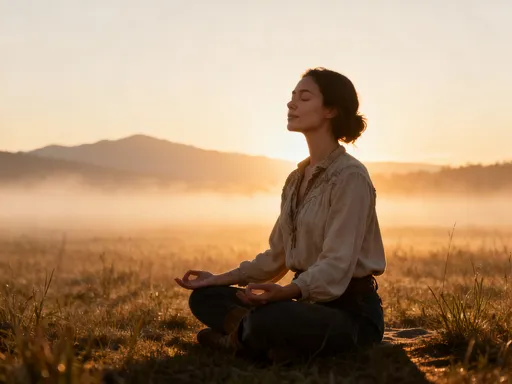
Think of movement as a form of moving meditation. Unlike seated mindfulness, which can feel challenging for an active mind, gentle physical activity provides a natural anchor for attention. The rhythm of steps, the sway of arms, the feeling of breath in the chest—these sensations ground the mind in the present moment. There is no need to empty the mind or achieve stillness. Instead, thoughts are allowed to come and go, while attention remains on the body in motion. This gentle focus helps break the cycle of rumination, reducing the power of repetitive, anxious thoughts.
Over time, this practice builds emotional resilience. Life will always bring challenges, but regular movement helps create a buffer, a sense of inner stability that makes it easier to navigate difficult moments. It is not about eliminating stress, but about changing your relationship to it. You begin to recognize that tension is temporary, that your body has the capacity to release it, and that you have a simple, accessible tool to support yourself. This awareness fosters a quiet confidence—a knowing that even on hard days, you can find a moment of calm by simply moving.
Making It Last: Turning Practice into Lifestyle
Lasting change does not come from willpower alone. It comes from enjoyment, ease, and a sense of personal meaning. The women who sustain a movement practice over years are not those who force themselves through grueling routines, but those who find ways to make it feel natural and pleasant. This might mean varying the route of your walk to keep it interesting, playing favorite music while stretching, or inviting a friend to join occasionally without pressure. The key is to keep the experience inviting, not obligatory.
Another way to sustain the practice is to shift the mindset from exercise as a chore to movement as a gift. Instead of thinking, “I have to walk today,” try reframing it as, “I get to move my body and give myself this moment of peace.” This subtle change in language reflects a deeper shift in attitude—from duty to self-care. When movement is seen as an act of kindness toward oneself, it becomes something to look forward to, not avoid.
It is also important to recognize that this is not a quick fix or a temporary solution. It is a lifelong practice, like eating well or getting enough rest. There will be days when it doesn’t happen, and that is okay. The goal is not perfection, but continuity. Over time, the moments of movement accumulate, creating a foundation of calm that supports every part of life. Whether it’s a five-minute stretch in the morning or a slow walk under the trees, each act is a quiet affirmation: I am here. I am taking care of myself. I am choosing peace.
Moderate exercise, in its simplest form, is one of the most accessible tools for emotional balance. It requires no special skills, no expensive equipment, and no dramatic lifestyle overhaul. It asks only for small, consistent steps—literally and figuratively. For women who carry the weight of daily responsibilities, it offers a gentle, reliable way to reclaim a sense of calm. As with any change in routine, it is wise to consult with a healthcare provider before beginning, especially if you have existing health concerns. But for most, the path to greater well-being may be as close as the front door and the simple act of putting one foot in front of the other.