How I Found My Strength Again: A Real Postpartum Exercise Journey
After having my baby, I felt disconnected from my body—weak, tired, and unsure where to start. I wanted to move, but didn’t know what was safe or effective. Like many new moms, I struggled with when and how to begin exercising again. This is the postpartum recovery guide I wish I had: honest, step-by-step, and rooted in real experience and expert-backed advice. It’s not about shrinking into pre-pregnancy jeans or chasing an impossible timeline. It’s about reclaiming strength, confidence, and well-being in a way that honors what your body has just done. This journey is not a race. It’s a return—to movement, to self, and to health.
Understanding Postpartum Recovery: More Than Just “Bouncing Back”
Postpartum recovery is often misunderstood as a quick return to pre-pregnancy fitness. In reality, it is a profound physical and emotional transition that requires time, care, and medical awareness. The body undergoes dramatic changes during pregnancy and childbirth, and healing is not immediate. Many women expect to “bounce back,” but this expectation can lead to frustration, injury, and emotional distress. True recovery is not measured by appearance but by function, strength, and overall well-being.
One of the most common physical changes after childbirth is diastasis recti, a separation of the abdominal muscles that can affect core stability and posture. This condition occurs in nearly two-thirds of pregnant women, particularly in the third trimester and postpartum period. It is not a flaw or weakness, but a natural adaptation to accommodate a growing baby. However, returning to intense abdominal exercises too soon can worsen the separation and delay healing. Similarly, the pelvic floor muscles, which support the bladder, uterus, and bowels, are often weakened or stretched after delivery. This can lead to issues such as urinary incontinence or pelvic pressure, especially during physical activity.
Hormonal shifts also play a significant role in postpartum recovery. The body produces relaxin, a hormone that loosens ligaments and joints to prepare for childbirth. This increased joint mobility can persist for several months, making the body more susceptible to strain or injury during exercise. Additionally, fatigue, fluctuating emotions, and the demands of newborn care can impact energy levels and motivation. Recognizing these changes is essential to setting realistic expectations and creating a safe, effective recovery plan.
Medical clearance is a crucial first step before beginning any postpartum exercise program. Most healthcare providers recommend waiting until the six-week postpartum checkup to assess healing, especially after a cesarean section or complicated delivery. During this visit, a provider can evaluate the uterus, perineal area, and overall recovery progress. They may also screen for postpartum depression or anxiety, which can affect a woman’s ability to engage in self-care, including physical activity. Rushing into exercise without proper clearance can lead to setbacks, including prolonged bleeding, pelvic floor dysfunction, or injury.
It is also important to challenge the cultural myth of the “snap back.” Social media often portrays images of celebrities resuming intense workouts within days of giving birth, but these portrayals are misleading and potentially harmful. Every woman’s body is different, and recovery timelines vary widely. Comparing oneself to unrealistic standards can erode self-esteem and lead to unhealthy behaviors. Instead, the focus should be on progress, not perfection. Healing is not linear, and setbacks are a normal part of the process. Patience, self-compassion, and professional guidance are far more valuable than speed.
The Mindset Shift: Why Recovery Isn’t a Workout Problem, But a Healing Process
Returning to movement after childbirth is not just a physical challenge—it is an emotional journey. Many women carry guilt, fear, or frustration when they think about exercise. They may feel they “should” be stronger, thinner, or more active. These feelings often stem from societal pressures and the misconception that fitness is a measure of worth. But postpartum recovery is not about punishment or proving anything. It is about healing, reconnecting, and nurturing the body that has just performed an extraordinary feat.
Reframing movement as self-care, rather than a means to burn calories or lose weight, can transform the postpartum experience. Gentle activity supports physical healing by improving circulation, reducing swelling, and preventing blood clots. It also has powerful mental health benefits. Studies show that even light physical activity can reduce symptoms of postpartum depression and anxiety by increasing endorphins and promoting a sense of control. When movement is approached with kindness and intention, it becomes a form of self-respect, not a chore.
The emotional weight of returning to exercise should not be underestimated. Some women feel disconnected from their bodies, as if they no longer recognize themselves. Others may fear pain, incontinence, or making things worse. These concerns are valid and common. The key is to listen to the body and respond with care. Pushing through pain or ignoring warning signs can lead to long-term complications. Instead, women are encouraged to tune into their sensations, honor their limits, and celebrate small victories. Did you take five deep breaths today? That counts. Did you walk to the mailbox? That matters.
Research supports the benefits of gentle, progressive movement in the postpartum period. A 2021 review published in the Journal of Women’s Health Physical Therapy found that early, low-impact exercise improved mood, energy levels, and physical function in new mothers. However, the timing and type of activity must be appropriate. The goal is not to achieve fitness milestones but to support the body’s natural healing process. This requires a shift in mindset: from performance to presence, from goals to gratitude.
The First 6 Weeks: Rest, Reconnect, and Gentle Movement
The first six weeks after childbirth are often referred to as the “fourth trimester”—a time of deep rest and recovery. During this phase, the focus should be on healing, not exercise. The body is still expelling lochia, the uterus is shrinking back to its pre-pregnancy size, and tissues are repairing. This is not the time for sit-ups, running, or heavy lifting. Instead, gentle movements that support circulation and muscle reactivation are recommended.
One of the safest and most effective exercises in the early postpartum period is diaphragmatic breathing. Also known as belly breathing, this technique helps engage the deep core muscles and improve oxygen flow. To practice, lie on your back with knees bent, place one hand on your chest and the other on your abdomen, and inhale deeply through the nose, allowing the belly to rise. Exhale slowly through the mouth, drawing the navel toward the spine. This simple practice can be done multiple times a day and lays the foundation for core strength.
Pelvic tilts are another gentle movement that can be introduced in the first few days after delivery, provided there are no complications. Lie on your back with knees bent and feet flat on the floor. On an exhale, gently press the lower back into the floor by tightening the abdominal muscles. Hold for a few seconds, then release. This movement helps reactivate the transverse abdominis, the deepest layer of core muscles, and improves pelvic alignment. It also reduces lower back discomfort, which is common after childbirth.
Walking is one of the most accessible forms of postpartum exercise. Starting with short, slow walks around the house or neighborhood can improve circulation, boost mood, and prevent blood clots. In the first week, even five minutes of walking is beneficial. As energy levels improve, women can gradually increase duration and pace. It is important to wear supportive footwear and listen to the body. If walking causes pain, bleeding increases, or pelvic pressure occurs, it is a sign to slow down or stop.
During this phase, it is crucial to avoid high-intensity workouts, heavy lifting, and any exercise that causes the abdomen to dome or bulge. These movements can strain healing tissues and worsen diastasis recti or pelvic floor dysfunction. The goal is not to burn calories but to support the body’s recovery. Rest is not laziness—it is a vital part of healing. Women should prioritize sleep, hydration, and nutrition, and ask for help when needed. Coordinating with a healthcare provider before progressing to more active exercises ensures safety and peace of mind.
Weeks 6–12: Rebuilding Core and Pelvic Floor Strength
At the six-week mark, many women receive medical clearance to begin more structured exercise. This phase focuses on rebuilding foundational strength, particularly in the core and pelvic floor. The goal is not to rush into crunches or planks but to re-establish neuromuscular control—the brain’s ability to communicate with muscles. This is especially important after the hormonal and physical changes of pregnancy and childbirth.
One of the first exercises to introduce is the heel slide. Lie on your back with knees bent and feet flat. Inhale to prepare, then exhale while slowly sliding one heel forward until the leg is straight. Inhale to return. This movement challenges core stability without increasing intra-abdominal pressure. It also improves hip mobility and coordination. Performing 10 to 12 repetitions on each side, two to three times a week, helps build endurance and control.
Supported bridges are another safe and effective exercise. Lie on your back with knees bent and feet hip-width apart. On an exhale, engage the glutes and lift the hips slightly off the floor, creating a straight line from shoulders to knees. Hold for a few seconds, then lower slowly. This movement strengthens the glutes and hamstrings while supporting pelvic alignment. It also encourages activation of the transverse abdominis, which is essential for core stability.
Pelvic floor exercises, commonly known as Kegels, are a cornerstone of postpartum recovery. These exercises strengthen the muscles that support the bladder, uterus, and bowels. To perform a Kegel, imagine stopping the flow of urine or holding in gas. Squeeze the muscles around the urethra, vagina, and anus, hold for three to five seconds, then release. It is important to relax fully between contractions to avoid muscle fatigue. Aim for 10 to 15 repetitions, two to three times a day. Proper technique is critical—some women unintentionally hold their breath or tense their abdomen, which can increase pressure on the pelvic floor.
Signs of overdoing it during this phase include pelvic pain, urinary leakage, or a visible bulge in the midline when performing exercises. These are red flags that the body needs more time or that technique needs correction. Progress should be gradual. Start with two sets of exercises every other day, focusing on form rather than intensity. Track subtle improvements, such as feeling more control during coughing or laughing, or noticing better posture when sitting.
Months 3–6: Adding Low-Impact Cardio and Functional Strength
By the third month, many women feel ready to incorporate more dynamic movement into their routine. This phase introduces low-impact cardio and functional strength exercises that support daily activities, such as lifting a car seat, carrying a diaper bag, or playing on the floor with a child. The focus remains on safety, proper form, and listening to the body.
Low-impact cardio options include walking, swimming, and stationary cycling. These activities improve cardiovascular health without placing excessive stress on the joints. Walking with a stroller can be a practical way to integrate exercise into daily life. Swimming is especially beneficial because the water supports the body, reducing strain on healing tissues. Cycling on a stationary bike allows for controlled resistance and posture. Aim for 20 to 30 minutes, three to four times a week, adjusting based on energy levels and recovery progress.
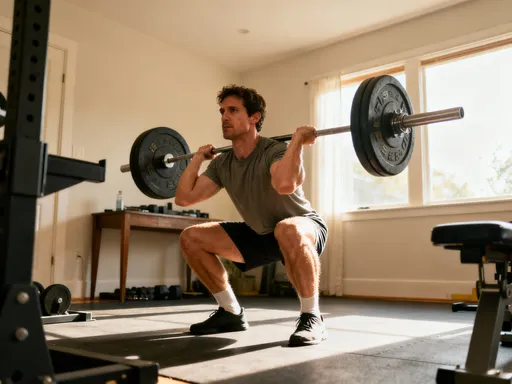
Bodyweight strength exercises can also be introduced. Wall push-ups are a safe alternative to floor push-ups. Stand facing a wall, place hands on the wall at shoulder height, and perform controlled push-ups. This builds upper body strength while minimizing core pressure. Squats, performed with proper form, strengthen the legs and glutes. Stand with feet hip-width apart, lower the hips back and down as if sitting in a chair, keeping the chest lifted and knees behind the toes. Modified lunges, done with support if needed, improve balance and leg strength.
Posture and alignment are especially important during this phase. Many women spend long hours breastfeeding, which can lead to rounded shoulders and forward head posture. Incorporating gentle stretches for the chest and neck, along with strengthening the upper back muscles, can prevent discomfort. Carrying a baby or diaper bag with both arms or using a cross-body carrier helps distribute weight evenly and protect the spine.
Integrating movement into daily routines makes consistency easier. Baby-wearing walks, where the infant is carried in a supportive wrap or carrier, combine bonding and exercise. Stroller workouts, which include intervals of walking, squats, and lunges, turn errands into fitness opportunities. The key is to make movement enjoyable and sustainable, not another item on an overwhelming to-do list.
When to Progress—And When to Pause: Listening to Your Body’s Signals
As women advance in their postpartum journey, knowing when to increase intensity and when to step back is essential. The body sends clear signals, but they are often overlooked in the desire to “get back to normal.” Pain, pelvic pressure, or urinary leakage during or after exercise are not normal and should not be ignored. These symptoms indicate that the body is not ready for the current level of activity and may need more time to heal.
Diastasis recti can worsen if exercises increase intra-abdominal pressure, such as crunches, planks, or heavy lifting. A widening gap or doming along the midline when performing movements is a warning sign. Similarly, pelvic floor dysfunction may manifest as a feeling of heaviness, bulging, or incontinence. These issues are common but treatable with proper care. Continuing to push through symptoms can lead to long-term complications, including pelvic organ prolapse or chronic pain.
Rest days are just as important as active days. The body repairs and strengthens during rest, especially when sleep is often disrupted by a newborn. Adjusting exercise intensity based on energy levels, mood, and physical symptoms is a sign of wisdom, not weakness. Some days, a five-minute stretch may be all that is possible—and that is enough.
Setbacks are normal. Illness, sleepless nights, or emotional stress can affect recovery. A woman may feel strong one week and fatigued the next. This fluctuation is part of the postpartum experience. Normalizing these ups and downs reduces pressure and supports long-term consistency. If symptoms persist beyond six months or worsen, seeking guidance from a pelvic floor physical therapist is recommended. These specialists can provide personalized assessments and treatment plans.
Building a Sustainable Routine: Long-Term Wellness Beyond the Fourth Trimester
Postpartum exercise is not a temporary phase—it is the foundation for lifelong wellness. As the body continues to heal and adapt, movement evolves from structured recovery exercises to a personal, flexible fitness routine. The goal shifts from “getting back” to building a sustainable, joyful relationship with physical activity.
Consistency is more important than intensity. Scheduling short workouts, finding an accountability partner, or joining a postpartum fitness group can support long-term engagement. Realistic expectations are key—progress may be slow, but every effort counts. Celebrating non-scale victories, such as improved sleep, better posture, or increased energy, reinforces motivation.
True strength is not measured by how much weight is lifted or how fast a mile is run. It is found in the quiet moments of healing—the deep breath after a long night, the gentle stretch that eases back pain, the walk that lifts the spirit. This journey is not about perfection. It is about showing up for yourself with compassion, patience, and resilience. In honoring the body’s needs, women rediscover not just physical strength, but a deeper sense of self.